


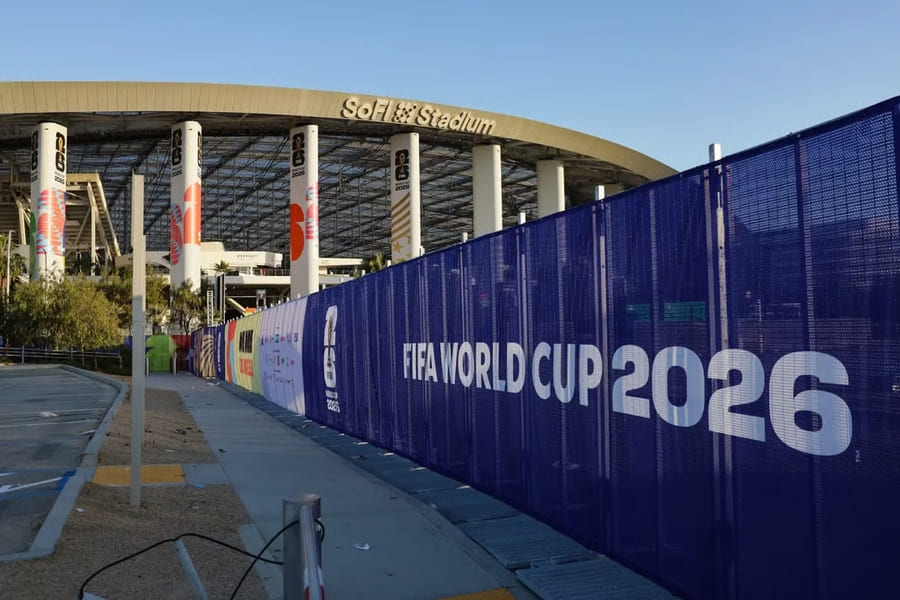

The 2026 World Cup marks a historic change in international football. For the first time, the tournament is hosted across three countries — the United States, Canada and Mexico — and expands to 48 national teams, completely transforming the traditional competitive structure. This new scenario not only increases the number of matches but also raises the physical, tactical and mental demands on all participating teams.
This leap in scale makes this the most ambitious tournament ever organized by FIFA. The match load and travel between venues require flawless planning, where squad depth will be just as important as individual talent.
Table of contents
A completely renewed format
The tournament is organized into 12 groups of four teams, with the top two and the eight best third-placed teams qualifying, expanding the knockout stage to 32 teams. This completely changes the dynamics of previous World Cups, reducing the margin for error from the very first match.
The total calendar reaches 104 matches, making this edition the longest in the history of international football.
Consistency replaces one-off brilliance as the key to competitive success. It is no longer enough to play one good match: maintaining performance over weeks will be decisive.
Venues and geographical scale
The World Cup will be played in 16 cities across the three host countries. The United States hosts most of the stadiums, while Mexico provides iconic venues such as the Azteca Stadium and Canada adds cities with strong football growth.
Among the main venues are New York, Los Angeles, Miami, Dallas, Houston, Atlanta, Mexico City, Guadalajara, Monterrey, Toronto and Vancouver.
The opening match will be played in Mexico City, while the final will take place at MetLife Stadium in New Jersey.
Logistics are one of the greatest challenges in the history of international football.
Spain at the World Cup
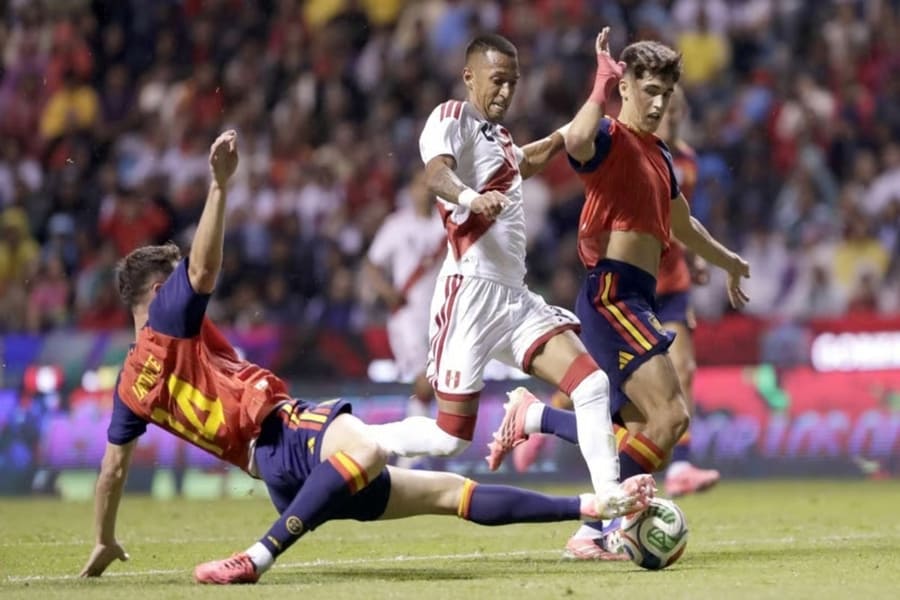
Spain arrives with a young, talented and highly competitive generation under the management of Luis de la Fuente. The team combines ball control, structured pressing and players with experience in top European leagues.
Spain has been drawn into Group H alongside Uruguay, Saudi Arabia and Cape Verde, a balanced group where consistency will be key to avoiding complications.
The opening match against Cape Verde will set the tone for the team, followed by Saudi Arabia and a demanding final group match against Uruguay.
Spain must secure stability from the start to avoid relying on the final matchday.
Key group stage matches
The opening stage of the World Cup features high-level clashes from day one. One of the most attractive is Brazil vs Morocco, a duel between a historic football powerhouse and an African team that has grown significantly in competitiveness and tactical organization.
Morocco arrives with a solid structure, elite European-based players and a very defined identity already proven in recent tournaments.
These types of matches reflect the new global balance of international football.
Another highlighted fixture is France vs Norway, where one of the strongest teams on the planet faces an emerging side in full competitive growth.
France maintains one of the most complete squads in the World Cup, with depth in every position and experience in major competitions.
SIA Academy and elite performance preparation
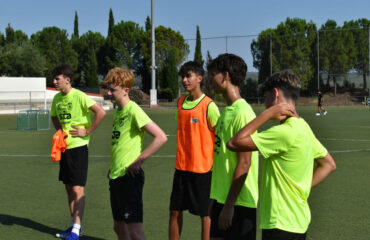
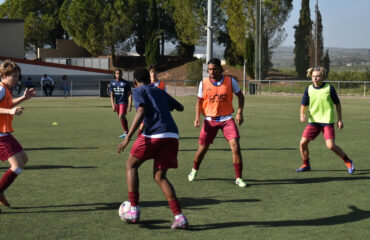
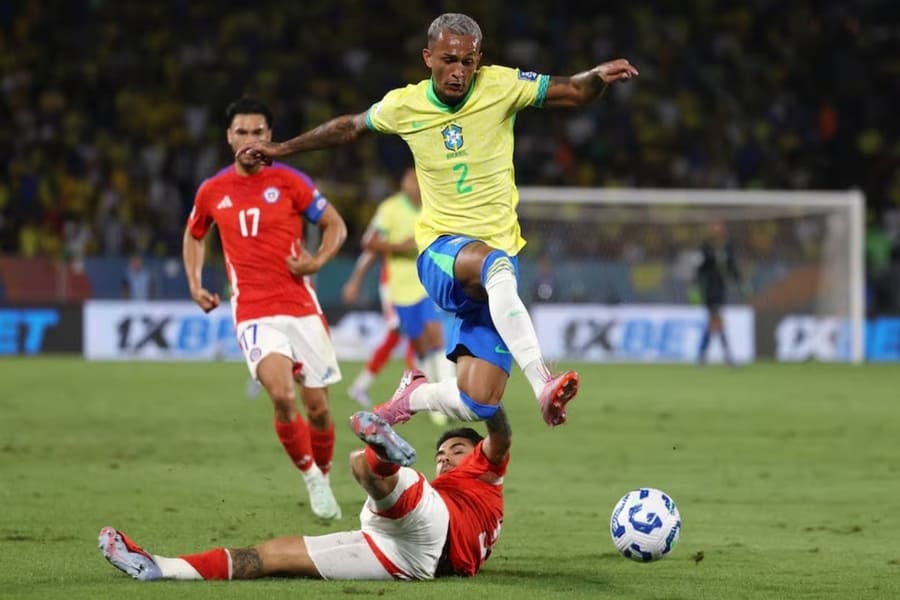
In this context of maximum demand, player development becomes crucial. At SIA Academy we work with a holistic approach that develops not only technique but also physical preparation, decision-making and the mental strength required to compete in environments like this.
We understand that elite performance does not depend on a single moment, but on the ability to sustain high levels throughout an entire demanding competition.
As José Luis, coach at SIA Academy, explains: “in elite football, the difference is not raw talent, but consistency under pressure”.
He also adds: “major tournaments are not won by the best single game, but by those who maintain their level over weeks”.
Modern preparation is about enduring prolonged pressure, not just standing out in isolated matches.
A World Cup that marks a new era
The 2026 World Cup represents a turning point in football history. The expansion of teams, the new format and the three-country organization make this edition the most complex ever held.
This new global scenario redefines what it means to compete at the highest international level, where squad depth, energy management and adaptation become decisive factors.
Spain, Brazil and France enter as competitive benchmarks, but the new format opens the door to surprises and a far more unpredictable tournament.
International football is entering a new era where globalization and demand go hand in hand.