





International football already has its eyes on the big event of the summer. As 2026 progresses, the atmosphere leading up to the World Cup of the United States, Mexico and Canada is starting to be felt more and more in the daily life of football, from national team camps to the media attention surrounding the players who could become protagonists of the tournament.
This edition will mark a turning point for several reasons. The most obvious one is the new competitive format. For the first time, 48 national teams will take part, significantly expanding the number of matches and creating a much more open scenario for teams that historically have had fewer opportunities to appear in the competition.
In addition, the fact that the tournament will be played across three countries adds a special dimension to the event. The United States, Mexico and Canada will host matches in different cities, turning the competition into one of the largest logistical operations in the history of international football.
Table of contents
A World Cup that reflects the evolution of modern football
Every World Cup tends to show where football is heading, and the 2026 edition will be no exception. In recent years the game has changed significantly, both physically and tactically.
Today players are used to very high match intensity, constant pressing and quick transitions. Physical preparation, performance monitoring and data analysis are part of the daily work of national teams, which use advanced technology to optimize every aspect of competition.
From a tactical perspective, there has also been a clear evolution. Game systems are increasingly flexible and coaches look for structures that allow teams to adjust their behavior during matches.
It is not unusual to see national teams start defending with a back five and finish attacking with four players in advanced positions, or sides that alternate between long possession phases and quick counterattacks. Tactical adaptability has become one of the key elements of modern football.

Spain arrives with a competitive generation
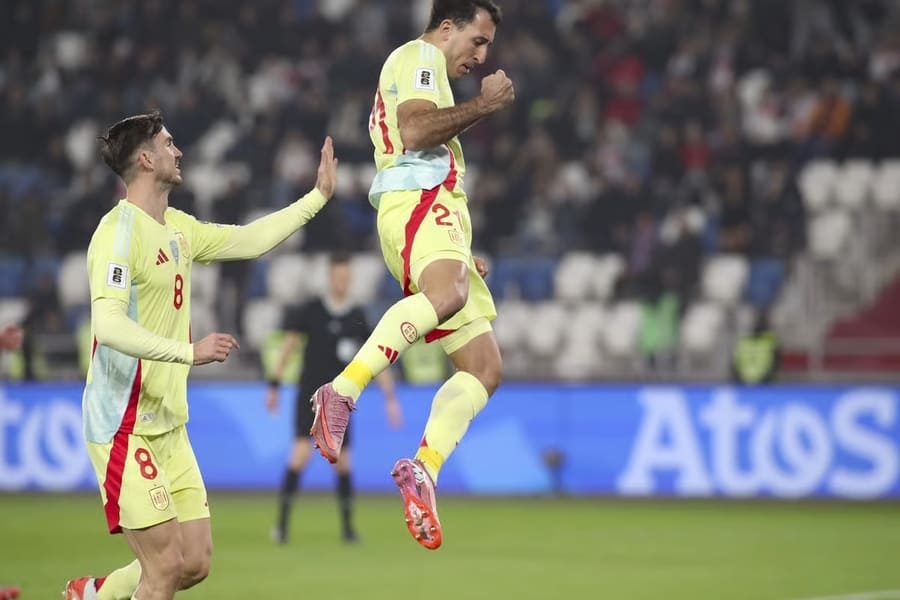
Spain approaches the World Cup with the ambition of competing again among the top national teams on the international stage. The core of the squad combines young players who already stand out in European clubs with others who bring experience from international competitions.
Reigning European champions, the style of the Spanish national team has been associated with ball control and technical superiority in midfield. That identity is still present, but the team has also incorporated greater verticality and attacking pace, adapting to the demands of modern football.
Many of the players who form part of this generation have grown within highly structured development systems, where technical development is combined with tactical understanding from an early age.
This explains why Spanish football continues to produce players capable of competing in the top leagues in the world. The academy and youth development structure in Spain remains a reference within international football.
The role of development in the path to elite football
Before a player reaches a tournament like the World Cup, their development begins many years earlier in academies, youth clubs and high-performance centers.
Today, player development is understood in a much more complete way. Training is no longer limited to improving individual technique, but also aims to develop game intelligence, decision-making and competitive mentality.
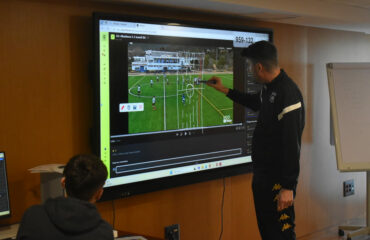
Training sessions include real match scenarios, position-specific work and performance analysis to accelerate player development.
At SIA Academy we experience this development process every day. We work with footballers from different countries who arrive with the ambition of growing within a professional environment, where they can develop their potential both as players and as individuals.
At SIA Academy we focus on dynamic training sessions, performance analysis and real competitive experiences, because we believe the most effective learning occurs when players face situations similar to those they will encounter in high-level football.
In addition, the academy’s international environment allows players to experience different football cultures and playing styles, something that is increasingly common in the global game.
A showcase for new talents
Historically, the World Cup has always been a stage where new stars of international football emerge. Young players who arrive at the tournament with less prominence can end up becoming some of the main figures of the competition.
The global media and sporting impact of the World Cup makes it one of the biggest showcases in sport, followed by millions of fans around the world.
For many players, a strong performance in the tournament can become a turning point in their careers, opening the door to new professional challenges and opportunities at higher-level clubs.
In academies like ours, competitions like this also have special value. They serve as inspiration for players who are just beginning their journey in football, showing how far dedication and effort can take them.
Football gathers again on a global stage
As the World Cup approaches, the excitement will continue to grow. National teams, fans and football professionals are already analyzing squads, possible lineups and potential title contenders.
Meanwhile, on training pitches around the world, thousands of young players continue working to reach that level. At SIA Academy we share that same vision: developing footballers prepared to compete in international football, understanding that the path to a tournament like the World Cup begins long before it starts, in every training session and every opportunity to learn on the pitch.