




In modern football, facing opponents with very different playing styles is a constant. Teams that press high, deep blocks, possession-based approaches, or direct-play strategies force both the player and the collective to interpret each match differently. In this context, the techniques to adapt becomes a competitive advantage, as long as it does not involve giving up the team’s own identity.
Adapting does not mean changing what defines a team, but rather adjusting behaviors to respond better to what the opponent proposes. For this process to be effective, individual and collective technique must be well established. When the player masters their resources, they can apply them in different scenarios without losing coherence or confidence.
Table of contents
Understanding the context without altering identity
Each opponent presents specific challenges that require concrete responses. Some seek a high tempo and rapid transitions, while others prioritize ball control and patience. The key is to understand the context without modifying the team’s principles, something only possible when there is a solid foundation.
Technique allows gestures and decisions to be adjusted without breaking the team’s structure. A pass may vary in speed, a control in orientation, or a dribble in intent, but always within the same conceptual framework. This controlled flexibility is what enables adaptation without losing identity.
Technique as the foundation of the playing model
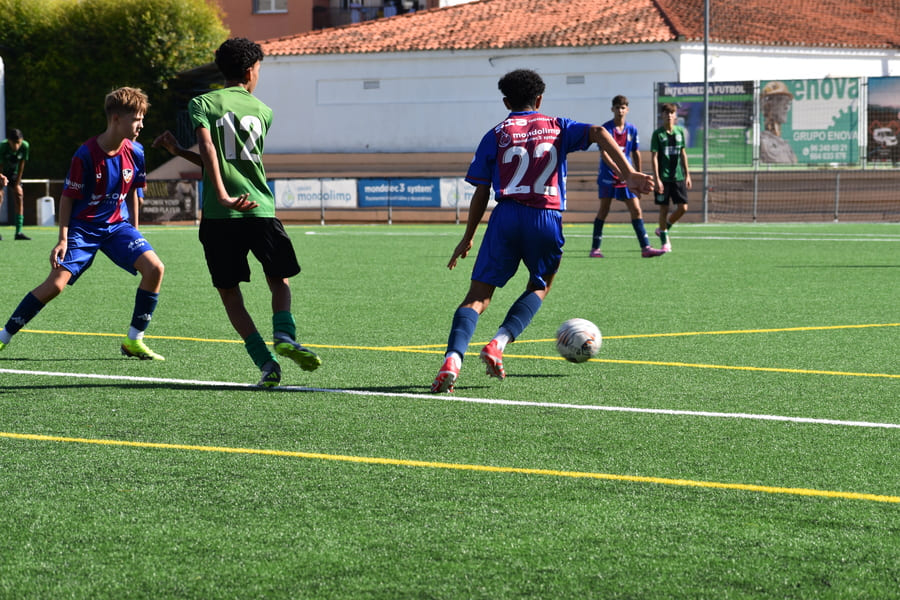
A team’s identity relies on recognizable behaviors. To maintain them against diverse styles, technique must serve the model. It is not only about executing well, but executing what the game demands at each moment.
A player with good technique does not depend on a single scenario, but finds solutions even when the opponent tries to neutralize their approach. This allows the team’s idea to remain consistent, with slight adjustments but no compromises.
At SIA Academy, we understand that technique is the common language of football. That is why we work so that our players master it in different rhythms, spaces, and situations, always aligned with a clear and recognizable identity.
Deciding better to adapt better
Adaptation is not just a matter of execution, but of decision-making. Reading the game determines when to accelerate, when to pause, or when to take risks. Here, technique combines with tactical understanding to create advantages.
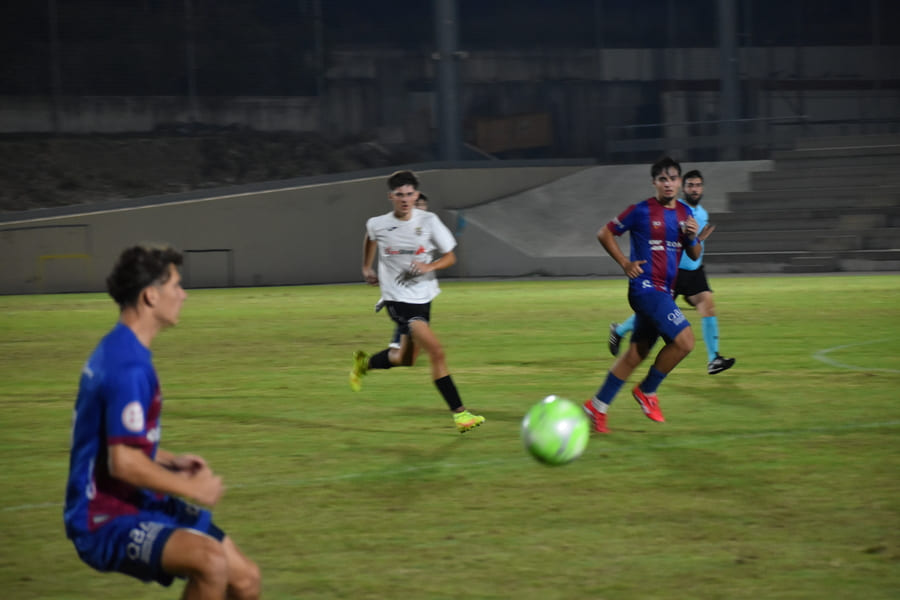
Against teams that press high, precision and speed are decisive. Facing deep blocks, patience and quality in the final action make the difference. Technique allows adjusting responses without losing effectiveness, maintaining coherence with the match plan.
Alain, coach at SIA Academy, explains that “adapting to the opponent does not mean changing who we are, but using our tools more effectively”. This perspective reinforces the importance of working from identity.
Training adaptation from real game scenarios
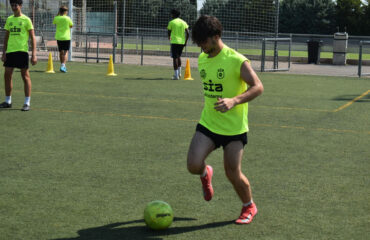
To adapt in competition, it is essential to train in varied contexts. At SIA Academy, we design exercises that expose players to different opponent styles within the training itself, forcing constant behavioral adjustments.
These situations strengthen adaptability without breaking automatism, as the player learns to interpret the game from stable principles. Technique thus becomes a functional tool rather than an isolated gesture.
Alain adds that “when training reproduces real scenarios, the player adapts naturally on match day”. This coherence between training and competition is central to our developmental approach.
Collective adaptation and structural coherence
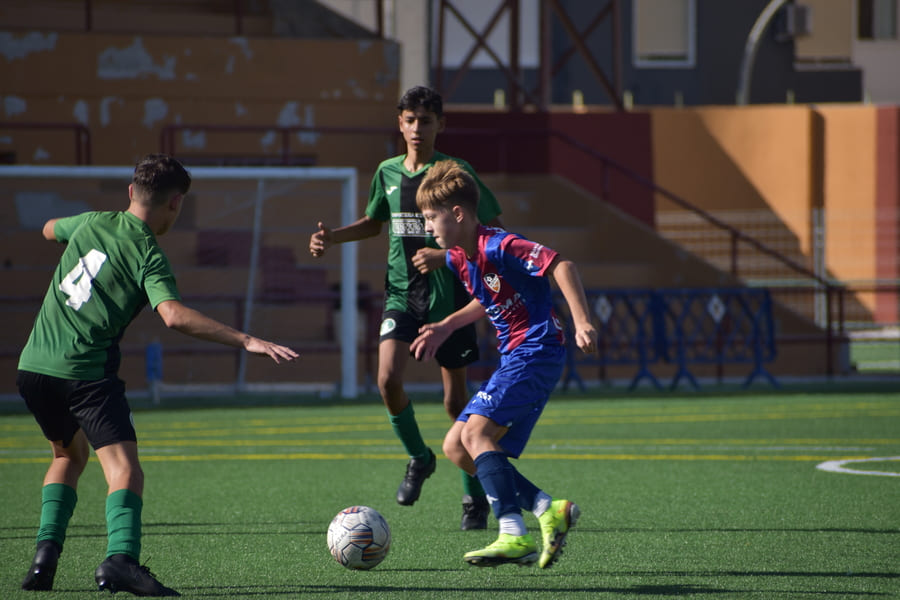
Adaptation is not only individual. At a collective level, the team must know how to modify certain behaviors without losing its structure. Adjusting defensive lines, orienting pressing, or varying ball progression requires coordination and shared understanding.
Collective technique ensures that these adjustments do not generate disorder. When all players share the same principles, adaptation flows without the team losing identity or solidity.
This collective work strengthens the group’s confidence and enables more effective responses against demanding opponents.
Technique as a source of competitive confidence
Facing very different styles can generate doubt if the player does not trust their resources. Here, technique is decisive. Feeling technically prepared provides security, and security allows adapting without fear.
When the player trusts their ability to solve varied situations, they remain calm and execute with clarity. This mental stability reinforces identity even in adverse contexts.
At SIA Academy, we work so that technique is a source of confidence, not just execution. We want footballers capable of competing in any scenario without losing their essence.