


Modern football demands much more than talent on the ball. Off-ball work is becoming increasingly important, especially in defensive tasks. In this context, positioning becomes a key tool to anticipate plays, reduce space, and hinder the opponent’s progression. Knowing how to block passing lanes not only improves individual performance but also elevates the team’s collective level.
Table of contents
The importance of positioning without the ball
When a player does not have the ball, their impact on the game largely depends on their positioning. It is not just about chasing the ball, but about placing oneself intelligently to influence the opponent. Good positioning allows players to intercept passes, force mistakes, and regain possession in favorable areas.
At SIA Academy, we work on this concept from an early stage, as we understand that positioning is the foundation of an organized and effective defense. We teach players to read the game and anticipate, rather than react too late.
As José Luis states: “Defending well is not about running more, but about being better positioned at every moment of the match”. This idea perfectly summarizes the essence of defensive positioning.
How to block passing lanes correctly
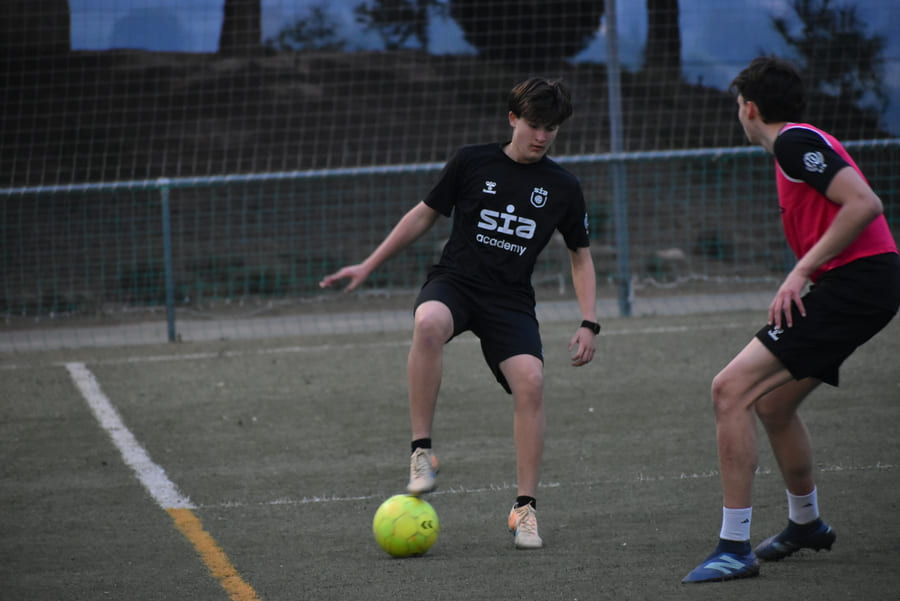
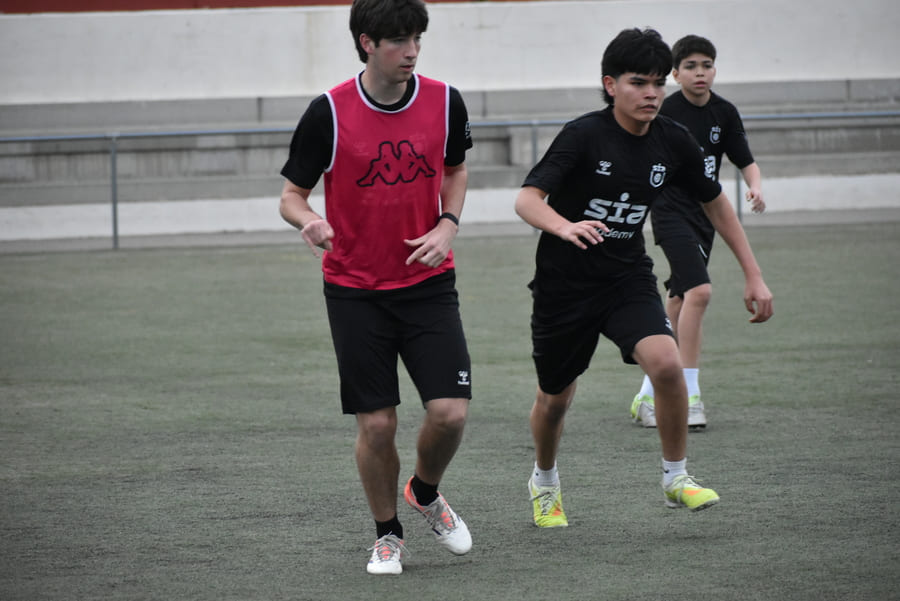
One of the fundamental principles of positioning is the ability to close passing lanes. This means placing oneself between the ball and the potential receiver, reducing the opponent’s options. It is not enough to be close; positioning must be precise and well-oriented.
Body shape also plays a key role. Proper body orientation allows players to cover more visual space and react more quickly. Good body positioning facilitates both interceptions and immediate pressure.
In our training sessions at SIA Academy, we emphasize specific exercises where players must adjust their positioning based on the ball’s location and their teammates. This type of work develops tactical intelligence.
The relationship between positioning and game awareness
Positioning is not an isolated concept; it is directly linked to a player’s ability to read the game. The better a player understands what is happening, the better their positioning will be.
Anticipating the opponent’s intention allows players to position themselves before the action occurs. Constant observation is key: watching the ball, but also potential receivers. Effective positioning comes from continuous awareness of the surroundings.
José Luis explains it clearly: “An intelligent player arrives earlier because they think earlier, and that is reflected in their positioning”. This highlights that the mind is just as important as physical ability.
Adjustments depending on the tactical system
Each tactical system requires a different type of positioning. Defending in a low block is not the same as pressing high up the pitch. Therefore, players must constantly adapt.
At SIA Academy, we work on different scenarios so that players understand how to modify their positioning depending on the match context. Tactical adaptability is essential to maintain defensive solidity in any situation.
In addition, collective positioning is just as important as individual positioning. One poorly positioned player can disrupt the entire defensive structure.
Common mistakes in defensive positioning
Despite its importance, mistakes in positioning are common. One of the most frequent is impulsively following the ball and leaving spaces open. Another issue is failing to maintain the correct distance from the opponent.
It is also common to lose track of the player that needs to be marked. These positioning mistakes often create dangerous situations. Correcting these details makes the difference between a solid defense and a vulnerable one.
In our methodology at SIA Academy, we analyze these situations so that players understand how to improve their positioning in real-game scenarios.
Specific training for positioning
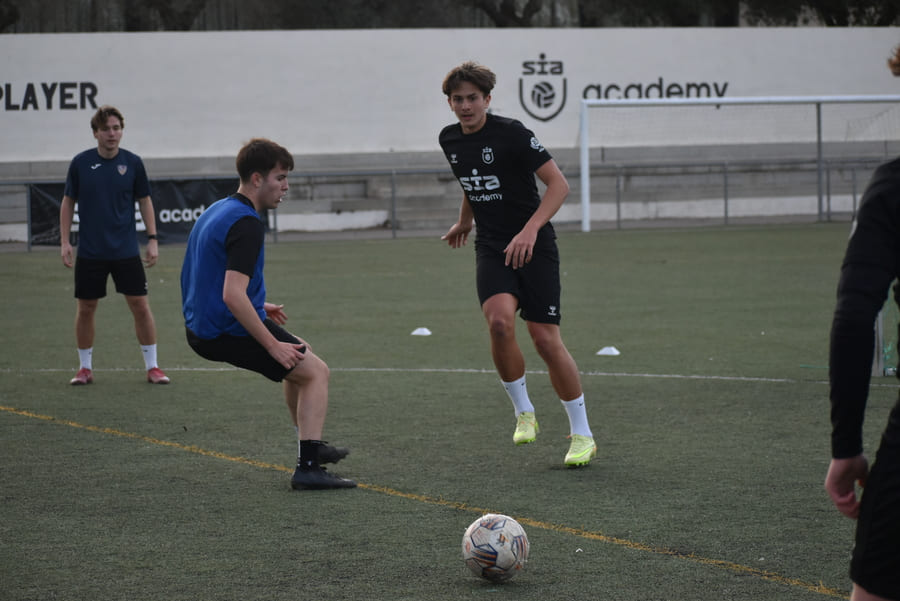
Positioning can be trained and refined with the right exercises. Small-sided games, possession drills, and numerical inferiority situations are very useful tools.
These exercises force players to make quick decisions and constantly adjust their positioning. Repetition in realistic contexts helps internalize effective defensive habits.
At SIA Academy, we design sessions where positioning is a central focus, integrating it into all phases of training. We do not treat it as an isolated concept, but as part of the overall game.
Positioning as a competitive advantage
In modern football, where details make the difference, positioning can be a decisive factor. Well-organized defensive teams tend to have a higher chance of success.
A player with good positioning brings balance, reduces risks, and improves collective performance. Mastering positioning allows players to compete at a higher level, regardless of individual talent.
That is why, at SIA Academy, we continue to focus on comprehensive development where positioning plays a central role in the player’s growth.
Defensive positioning is one of the most important skills in modern football. Knowing how to block passing lanes off the ball requires intelligence, discipline, and consistent training. It is not just about physical effort, but about understanding the game.
At SIA Academy, we work every day so that our players understand and master positioning in all its forms. Only in this way can a solid foundation be built, allowing both individual and collective growth.