




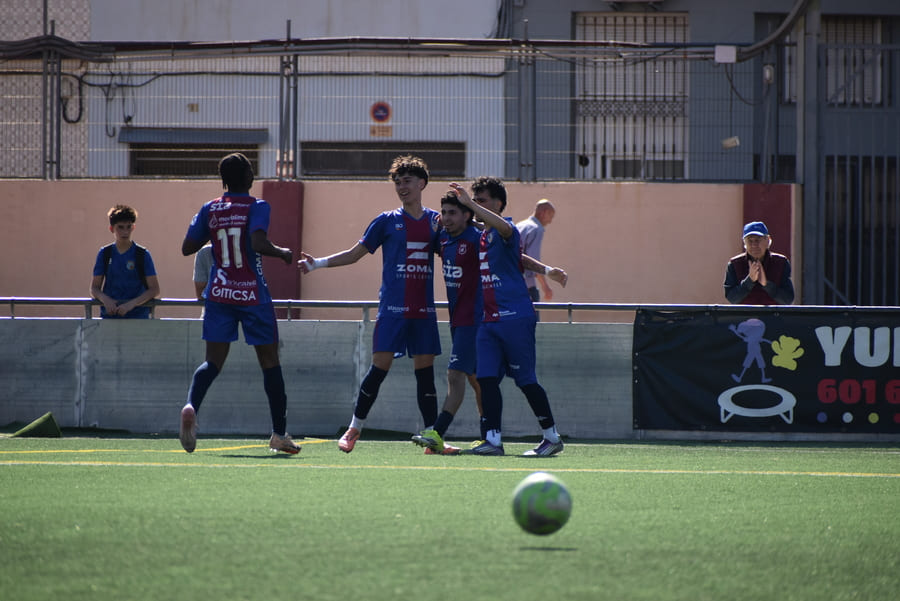

Modern football demands much more than technical talent and good physical preparation. In a competitive environment where small details make the difference, players’ mental abilities have become a decisive factor. Among all the psychological elements that influence performance, motivation occupies a leading role because it determines consistency, discipline, and the ability to overcome challenges. A motivated footballer trains with greater intensity, interprets mistakes better, and maintains concentration even during the most demanding moments of the season.
In high-performance football, motivation does not appear spontaneously every day. It must be developed through specific methods, clear objectives, and the right environment. That is why at SIA Academy we understand that mental development must be integrated into the sporting process from the earliest stages. It is not enough to improve speed or technique; we must also strengthen every player’s confidence, resilience, and competitive commitment.
Table of contents
The importance of the mental factor in football
Football is an emotional sport. A victory can strengthen collective confidence, while a defeat can affect a team’s emotional state for weeks. In this context, motivation acts as an internal engine that pushes players to maintain competitive intensity. When there is a proper emotional balance, footballers respond better under pressure and improve their ability to make quick and effective decisions.
Motivation also directly influences the ability to learn. Players who maintain a high level of commitment usually show a greater willingness to correct mistakes, follow tactical instructions, and develop new technical skills. In addition, consistency in training depends largely on the mental attitude with which each session is approached.
At SIA Academy, we work every day to ensure our footballers understand that sporting progress is not linear. There are moments of rapid growth and others in which players must learn to deal with frustration and internal competition. Precisely during these stages, motivation becomes a fundamental tool to avoid discouragement and maintain focus on both personal and collective goals.
How motivation influences performance
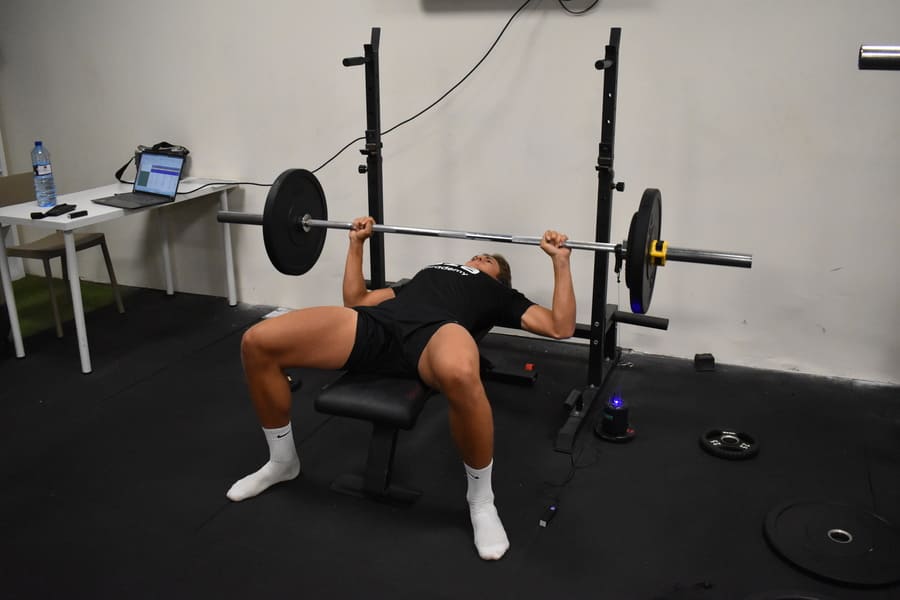
The relationship between motivation and football performance is direct. A player with clear goals usually shows greater involvement in essential aspects such as physical recovery, nutrition, and rest. Furthermore, motivation encourages sacrifice and commitment, two essential qualities for competing at the highest level.
Coaches and sports psychologists agree that sustained performance depends as much on physical condition as on mental strength. A technically prepared footballer can reduce their competitive level if they lose confidence or stop finding meaning in their daily effort. For this reason, psychological support has become a key component within professional academies.
José Luis, the academy’s psychologist, explains that “motivation should not be understood as a temporary emotional state, but as a daily construction based on habits and realistic objectives.” This perspective allows players to better manage competitive pressure and maintain emotional stability even after negative results.
Another important aspect is the relationship between motivation and leadership. The most committed footballers often transmit positive energy to the rest of the group and create healthy competitive dynamics within the dressing room. A player’s attitude can influence collective performance much more than statistics reflect.
Psychological work at SIA Academy
At SIA Academy, we are committed to a comprehensive methodology in which human development is just as important as sporting evolution. Our working structure includes specific sessions designed to strengthen concentration, self-confidence, and emotional management. We believe that talent needs a solid psychological foundation to be transformed into consistent performance.
Motivation is part of every phase of training. From planning individual goals to group dynamics, we seek to ensure footballers maintain constant commitment throughout the season. We also encourage communication between coaches, fitness trainers, and psychology specialists in order to provide complete support.
José Luis highlights that “motivation grows when players feel they are improving and perceive that their effort has a clear purpose within the team.” This idea is essential during developmental stages, when many young footballers must adapt to new competitive and personal demands.
In addition, at SIA Academy we understand that every player has different needs. Some need to strengthen their confidence during matches, while others must learn to manage external pressure. Individualised work allows us to identify mental blocks and transform them into opportunities for sporting growth.
Motivation as a competitive advantage
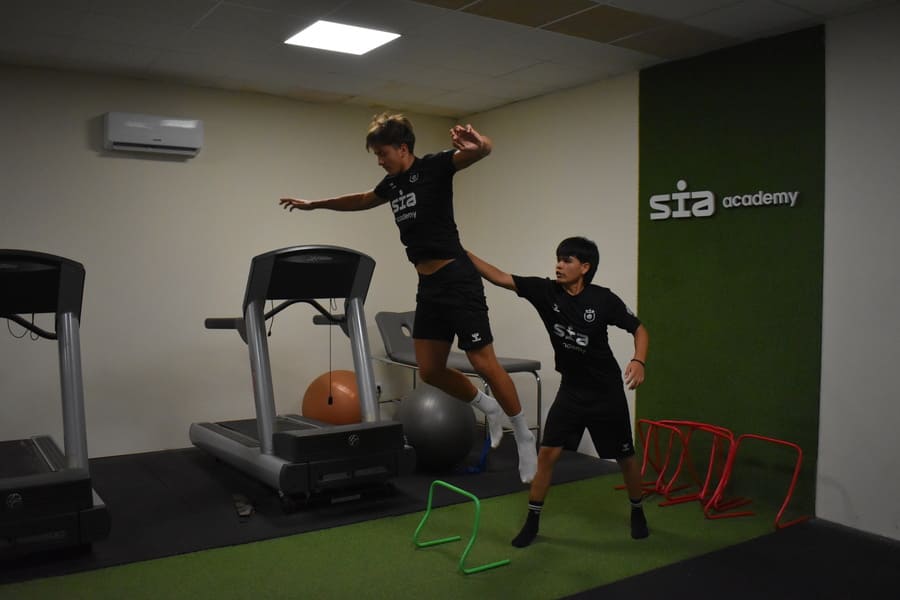
In modern football, physical and technical differences between players are becoming smaller and smaller. For this reason, mental preparation can mark the path to success. Motivation helps maintain consistency during long seasons, supports recovery after injury, and strengthens the competitive mindset in decisive moments.
It is also a key element for dealing with challenges outside the pitch. Moving to another country, adapting to a new culture, or balancing academic demands can affect young footballers emotionally. At SIA Academy, we support our players so they can develop tools that help them maintain stability and continue growing in any context.
Motivation alone does not guarantee sporting success, but it does create the necessary conditions for footballers to reach their maximum potential. When commitment, discipline, and proper psychological guidance exist, players are better prepared to compete, learn, and evolve consistently.