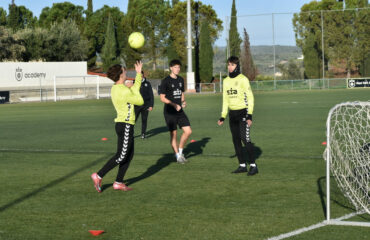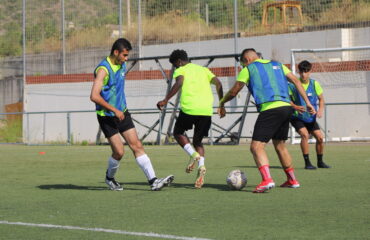




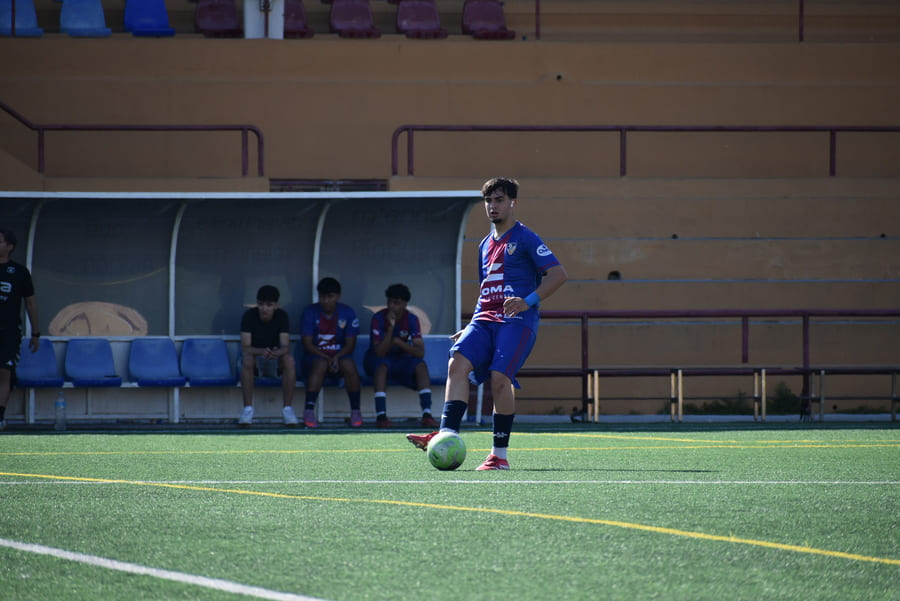

In professional football, many decisions are made before even touching the ball. A look, a posture, or a simple movement of the arms can convey confidence, fear, leadership, or disconnection. Body language has become a silent tool capable of influencing teammates, coaches, and opponents throughout the ninety minutes.
Although people usually talk about tactics, technique, or physical preparation, there are other aspects that have a huge impact on the pitch. Non-verbal communication affects collective confidence and can completely change the emotional dynamic of a match. A footballer who transmits positive energy spreads intensity throughout the team, while another showing frustration through gestures can create insecurity among those around him.
At SIA Academy, we work on these kinds of details from an early age because we understand that competitive performance also depends on how a player expresses emotions on the pitch. We not only develop technically prepared footballers, but also help build strong and balanced personalities capable of competing under pressure.
Table of contents
The gestures that change a match
Many coaches observe the language of their players even more closely than some technical actions. The way a footballer walks after losing the ball, reacts after receiving instructions, or behaves in difficult moments provides very valuable information about the player’s mental state.
Some players are capable of remaining calm even in extreme situations. Others, however, quickly show anxiety through rushed movements, constant complaints, or gestures of desperation. That emotional language directly influences the team’s competitive atmosphere.
“The body usually expresses what the player tries to hide with words,” explains José Luis, psychologist at the academy.
At high-performance levels, these details become even more important. Footballers who project confidence usually take on leadership naturally within the dressing room and generate greater credibility among their teammates. Confidence is not always communicated through words; it often appears in small behaviours repeated throughout the match.

The importance of eye contact language
One of the most powerful elements of body language is eye contact. A player who avoids looking at others after making mistakes may reflect insecurity or fear of failing again. On the other hand, those who maintain a firm attitude usually demonstrate personality and the ability to handle competitive pressure.
At SIA Academy, we analyse how young players react to different emotional scenarios. We believe that learning to control emotions is just as important as improving technically. Modern football demands mental stability and the ability to respond correctly in moments of maximum tension.
Eye contact also influences the relationship with the coaching staff. Many coaches interpret a footballer’s commitment through his attention during tactical explanations or through his behaviour in training sessions. Visual language ultimately becomes a constant form of communication.
Silent leadership inside the dressing room
Not all leaders need to speak constantly. Some players transmit authority simply through their daily behaviour. Punctuality, intensity during training sessions, or reactions after defeats are all part of a language that directly impacts the collective mentality.
In professional teams, the most experienced footballers often use this type of communication to maintain emotional stability during difficult moments. A captain who remains calm after conceding a goal helps reduce the group’s anxiety and improves the team’s ability to react.
“Teammates quickly notice when a player projects genuine confidence and when he is only pretending,” says José Luis.
At our academy, we pay close attention to these behaviours because we know that modern football demands players capable of leading both on and off the field. The language connected to daily attitude can become a huge competitive advantage for any young footballer.
Pressure is also reflected physically
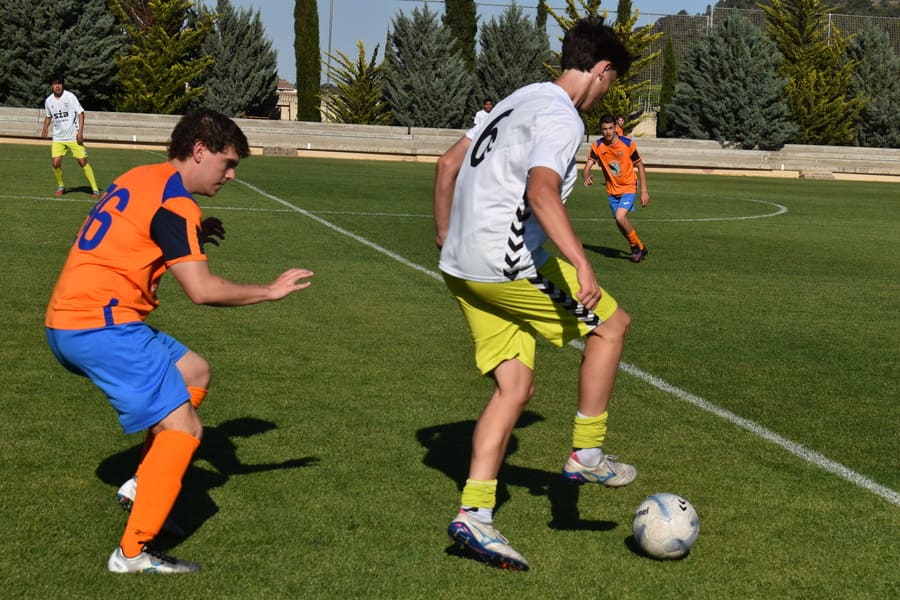
Another important aspect is how the body reacts under pressure. Some footballers lose naturalness in simple movements when they feel nervous. Others reduce communication with teammates or show constant tension through negative facial expressions.
That body language even affects decision-making. An insecure player usually takes longer to pass the ball, avoids taking risks, or loses tactical clarity in important situations. Mental confidence has a direct impact on speed of thought and technical execution.
At SIA Academy, we help our footballers recognise these situations so they can learn how to manage them correctly. We work on concentration, emotional stability, and individual confidence as part of the player’s overall development.
How to interpret emotions during the game
Football is a sport full of changing emotions. The same match can generate euphoria, frustration, nervousness, and motivation within just a few minutes. That is why it is essential to learn how to interpret emotional language, both in oneself and in teammates.
The smartest footballers understand when a teammate needs support, when the team requires calmness, or when competitive intensity must increase. The ability to read these invisible signals strengthens collective cohesion and improves team performance.
In addition, body language can also be used strategically against opponents. Showing determination, energy, and confidence can psychologically influence the rival even before the match begins.
At SIA Academy, we understand that sporting development does not depend only on running faster or striking the ball better. Developing complete players means working on the mind, emotions, and the way each footballer communicates without words. Because, many times, the true message in football appears in what nobody says.