




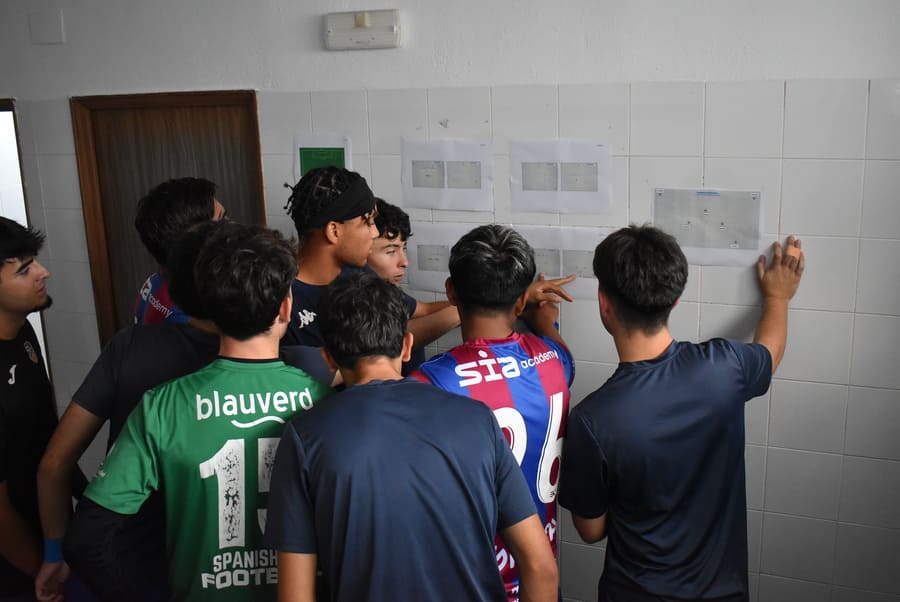

In modern football, where small details make the difference between a competitive team and a truly winning one, communication emerges as a tactical resource as important as set plays, physical preparation or opponent analysis. In such a dynamic environment, the tone of voice, the way information is delivered and the emotional clarity of the message determine the speed and quality of the collective reaction. Positive communication not only motivates, it also organizes, guides and sustains performance under pressure.
At SIA Academy, where we work with footballers from multiple backgrounds, cultures and experience levels, we have seen firsthand how the right communication approach can completely change player interaction, accelerate decision-making and elevate cohesion until it becomes a true competitive differentiator.
Table of contents
The psychological impact of tone of voice
Sports behavior science has shown that humans respond not only to words but to the way those words are expressed. A calm, firm, solution-oriented tone fosters a perception of clarity and control; an aggressive, impatient or chaotic tone generates blockage, anxiety and lack of synchronicity in situations where every second matters.
On the pitch, where stimuli are constant and the margin of error is minimal, players need messages that activate their anticipatory capacity instead of reducing it. A “let’s go up” said with conviction, positive energy and authority has a completely different effect compared to the same message expressed harshly or disorderly.
At SIA Academy we experience this daily: when we modulate our voices to transmit calmness in phases of play where the opponent presses high, we observe how our players maintain their composure, choose smarter passes and reduce unforced errors.
Positive communication as a cohesion mechanism
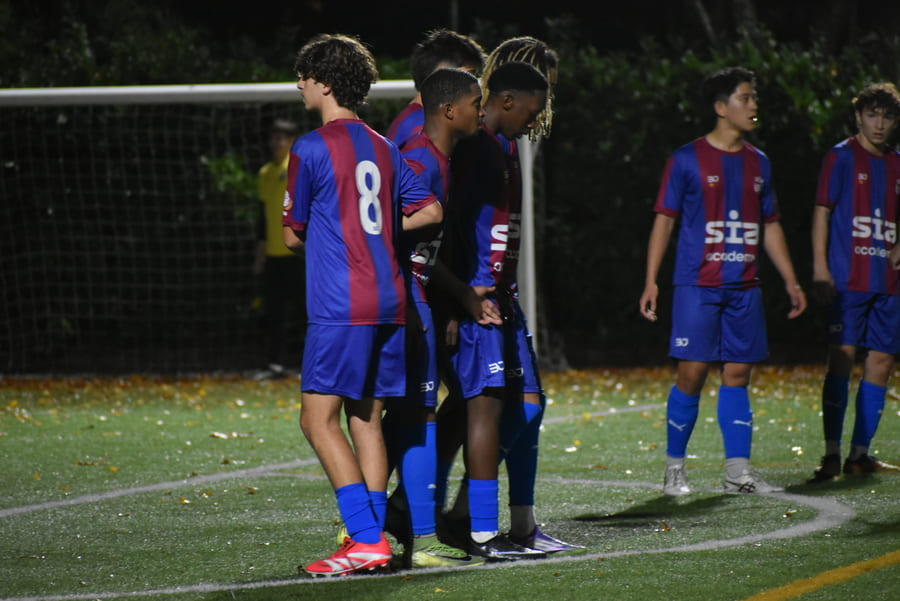
Group cohesion does not arise merely from sharing a dressing room or training sessions; it is built through constant interactions that reinforce the sense of belonging. In this process, positive communication acts as the invisible glue that connects footballers to one another.
A team that speaks well to each other plays better. Short, direct and encouraging messages create a continuous flow of information that maintains tactical structure while also strengthening trust between teammates.
From our experience at SIA Academy:
- We observe that teams receiving more positive messages between players run more without complaining.
- Recovery after mistakes accelerates when a teammate responds with a calm word instead of a reproach.
- Emotional noise is reduced during critical moments, allowing for greater collective clarity.
For us, this dynamic is part of our working identity: when we train, we correct not only movements but also how those movements are communicated. Language directly influences reaction speed, and this is evident both in simulated scenarios and official matches.
The direct influence on tactics and decision-making
Modern football requires quick and coordinated decisions. A negative or confusing message can delay the reaction by a second, and a second in football is an eternity. That is why positive communication becomes a tactical asset: it allows instructions to arrive cleanly, without emotional interference.
At SIA Academy we apply this in different phases of play:
- In build-up, a calm tone helps the goalkeeper and the defensive line avoid rushing against intense presses.
- In attacking transitions, an encouraging and precise shout accelerates the perception of open spaces.
- In organized defending, positive leadership through voice ensures that the line moves as a unit rather than as isolated impulses.
- In set pieces, where concentration is essential, the voice of the captain or coach can fix attention on correct execution.
A team that receives instructions from serenity tends to execute them more accurately, something we have verified in countless sessions and competitions.
The coach’s role: example and emotional regulator
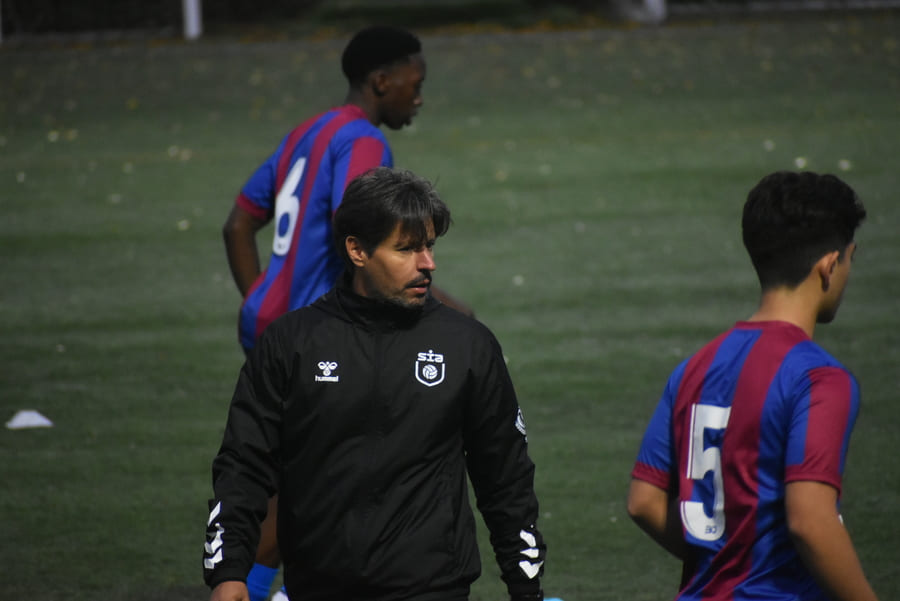
The coaching staff is the primary generator of the team’s emotional climate. The way communication is handled from the touchline spreads and multiplies. At SIA Academy we understand this both as a responsibility and as a tool: the coach’s voice must be an anchor of stability and, at the same time, a motivational stimulus.
We do not show authority through volume but through clarity and coherence. A positive message is not a soft message; it is an effective one, designed to trigger useful behaviors. In fact, many players perform better when they feel their coach trusts them—and communicates that trust with the right words and tone.
How to train positive communication
Communication can also be trained. At SIA Academy we incorporate exercises where players practice delivering messages during:
- Small-sided games.
- Coordinated pressing drills.
- Simulations of high-tension competitive moments.
- Internal leadership dynamics.
The goal is for them to learn to communicate in a brief, proactive and emotionally intelligent way, so that in matches the reaction becomes automatic.
Positive communication is much more than a detail: it is a tactical component that transforms collective performance. The right tone of voice can change a team’s reaction, help manage pressure, improve cohesion and increase effectiveness in every phase of the game. At SIA Academy we consider it a fundamental tool to develop complete footballers—capable of leading, listening, reacting and competing at the highest level.
Because in football, just like in life, the way things are said can be just as decisive as what is said.