




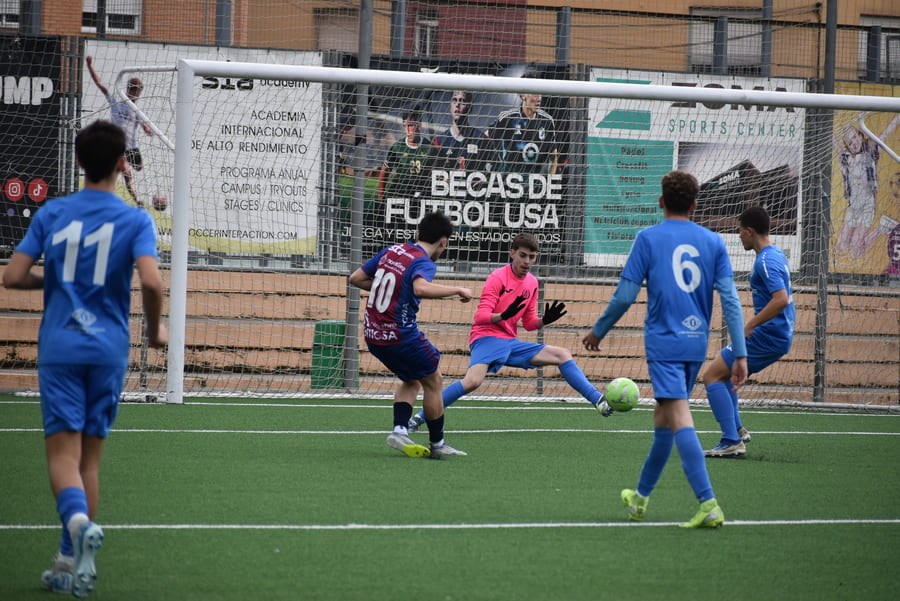

In modern football, matches are often decided by details. Beyond major tactical systems or spectacular plays, there are small modifications within the game that can completely alter the course of a match. These microstrategies are based on subtle adjustments that, when applied well, generate advantages without the opponent being fully aware of what is happening.
Coaches and players who master this type of game reading know that it is not always necessary to change the entire tactical approach. In many cases, it is enough to introduce specific adjustments in positioning, rhythm, or decision-making to transform the balance of the match.
At SIA Academy, we work on these types of situations because we understand that high-level football is built on details. Our methodology aims for players to learn how to identify the exact moment to make adjustments on the field and adapt to the needs of the match.
Table of contents
The importance of invisible adjustments
When people talk about strategy in football, they often think about major tactical changes or obvious variations in the system of play. However, the most competitive teams usually rely on small adjustments that go unnoticed by the opponent.
One example may be slightly modifying the height of the press, changing body orientation when receiving the ball, or varying the timing of a run. These adjustments may seem minimal, but they directly influence the dynamics of the match.
The key is that these movements do not break the team’s general structure. On the contrary, they integrate into the game model and gradually generate advantages that the opponent takes time to identify.
At SIA Academy we work on these situations during training sessions so that players learn to interpret the game accurately and apply adjustments naturally during competition.

Changes in rhythm that alter the opponent’s structure
One of the most effective resources within microstrategies is the variation of the game’s rhythm. It is not always about running more or constantly accelerating, but about introducing adjustments in the tempo of actions.
For example, a midfielder may slow down the ball circulation for several seconds to attract the opponent’s pressure and then suddenly accelerate the play with a vertical pass. This type of adjustments in the speed of the game creates imbalances in the opponent’s defensive organization.
Players who master these microvariations understand that rhythm is also a strategic tool. In our methodology, we teach footballers to identify when it is appropriate to accelerate and when it is better to pause the game to generate space.
“Football is not always won with spectacular movements. Many times a small adjustment at the right moment changes the entire scenario of the match,” explains Alain, coach at SIA Academy.
Silent communication within the team
Microstrategies are not only applied through movement. They can also arise from communication between players.
In many teams, certain gestures, looks or key words serve to indicate that a specific change will be made during the game. These coordinated adjustments make it possible to modify collective behaviors without visible instructions from the bench.
“When a team learns to communicate on the field, adjustments become natural and the opponent often does not understand why the match begins to change,” says Alain.
Match reading and decision-making
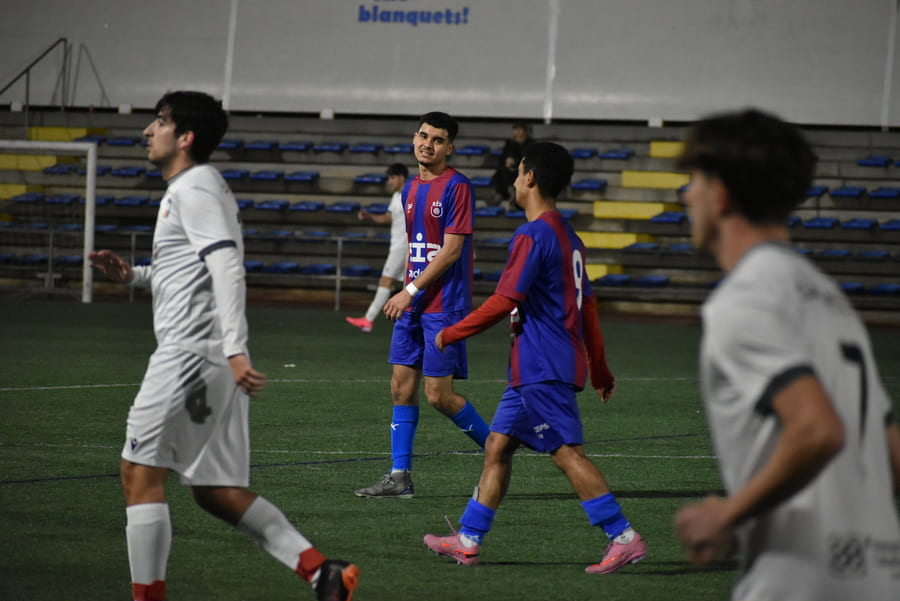
Microstrategies largely depend on players’ ability to interpret what is happening on the field. A footballer who carefully observes the opponent’s behavior can detect the exact moment to introduce an adjustment.
It may involve attacking a space that is starting to appear frequently, modifying the height of the press, or varying the direction of the attack. These adjustments require tactical intelligence and the confidence to apply them at the right moment.
For this reason, training should not focus only on technical execution. It is also essential to develop the player’s analytical ability so they can make the right decisions during the match.
At SIA Academy we work with exercises that stimulate game reading. We aim for our footballers to understand when to apply adjustments and how to do so without breaking the team’s collective structure.
The culture of detail in modern football
Modern football demands constant attention to small details. In matches where the technical and physical level is very similar, differences usually appear in the management of key moments.
Microstrategies represent precisely this ability to change the course of the match through adjustments that are not always visible to the spectator. Mastering these small adjustments allows teams to maintain initiative and adapt to the circumstances of the game.
At SIA Academy we believe that developing intelligent footballers means teaching them to recognize these moments. Our methodology is based on game analysis, tactical understanding and the application of adjustments that allow players to respond to any competitive scenario.
Because in high-level football, matches do not always change through major tactical revolutions, but through small adjustments that appear at the exact moment and transform the game without the opponent even realizing it.