




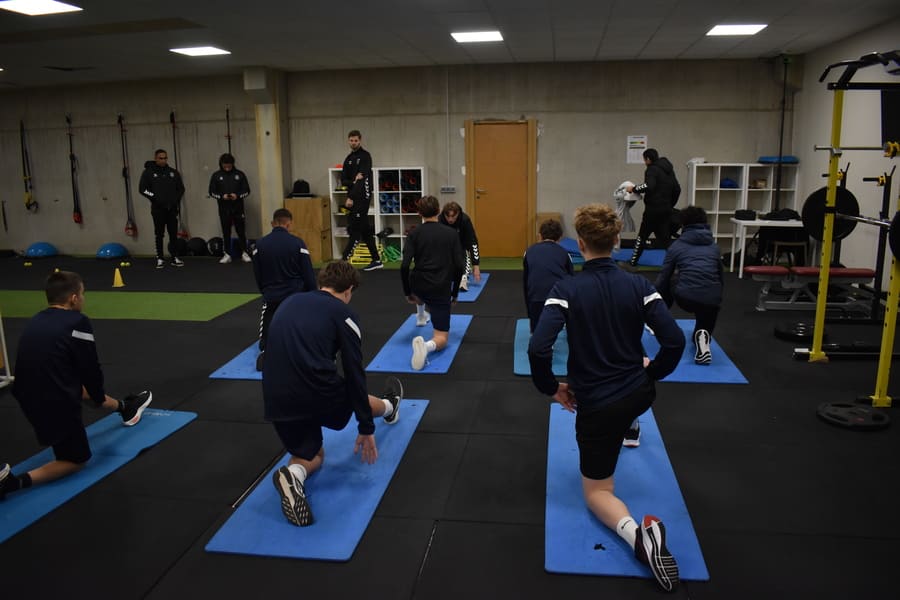

Modern football demands much more than speed or strength. Today, the player who aspires to compete at the highest level needs a constant evolution that integrates body, mind, and game understanding. It is no longer enough to stand out in just one aspect: the complete footballer is the result of a progressive, structured, and conscious process. Understanding this transformation is key for any player who wants to grow sustainably.
For years, the focus was almost exclusively on physical development. However, the game has changed. Higher rhythms, faster decisions, and complex tactical contexts have driven an evolution in the way footballers are trained and developed. Today, performance is measured not only by what the player does, but also by how and when they do it.
Table of contents
From physical foundations to the game as a language
The physical aspect remains a fundamental pillar. Endurance, strength, and speed make it possible to sustain performance during competition. But the physical aspect is only the starting point in the player’s evolution, not the final destination. Without an understanding of the game, that potential is limited.
As the footballer progresses, they must learn to interpret spaces, timings, and roles. This evolution involves moving from executing actions to understanding why they are carried out. The player begins to read the match, anticipate situations, and optimize effort. This is where the intelligent footballer is born, capable of influencing the game even without the ball.
Decision-making as a differential factor
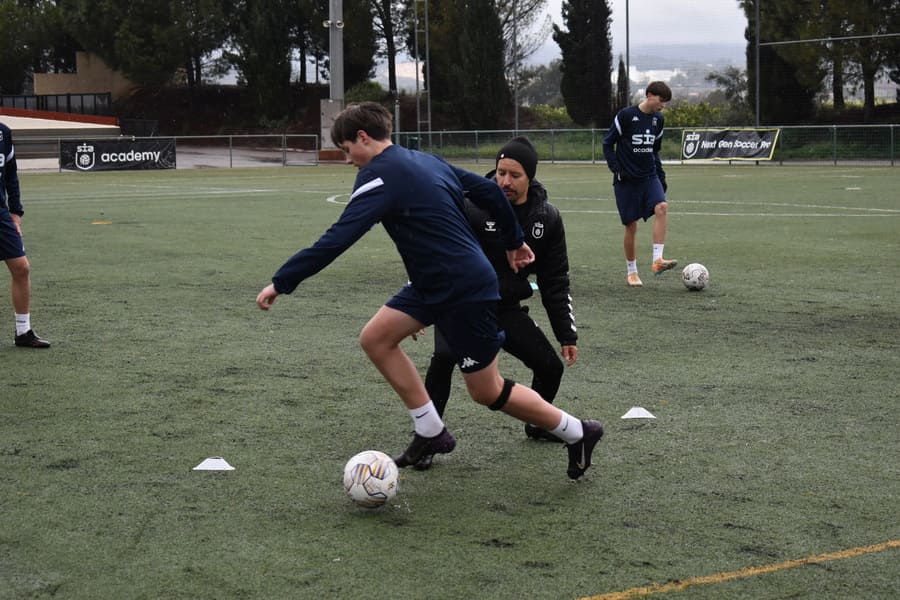
One of the biggest leaps in the evolution of the complete player is decision-making. Choosing correctly in fractions of a second makes the difference in modern football. This ability is not innate; it is trained. It requires appropriate stimuli, constant correction, and reflection.
Alain, a coach at the academy, explains it this way: “Real evolution appears when the player understands the game and does not just execute it. Thinking fast is just as important as running fast.” This idea summarizes the need to integrate the cognitive aspect into daily training. A player who makes better decisions performs more consistently and makes fewer mistakes.
The mental component in the evolution process
Confidence, error management, and adaptability are key elements in a footballer’s evolution. The mental aspect sustains performance under pressure and allows learning from difficulties. Without mental strength, progress comes to a halt.
Throughout the process, the player must take responsibility, accept criticism, and maintain an open mindset. This personal evolution is inseparable from the sporting one. Alain sums it up clearly: “We don’t just train legs, we train minds. A player’s evolution begins when they understand that they can always improve.”
Our methodology at SIA Academy
At SIA Academy we work from a holistic vision of development. We understand the player’s evolution as a progressive path that combines physical, tactical, technical, and mental preparation. Our objective is to develop complete footballers who are capable of adapting to different competitive contexts.
From our experience, we know that each player has their own rhythm. That is why we design individualized plans that accompany their personal and sporting evolution. We are not looking for immediate results, but for real and sustainable growth over time.
From individual talent to collective understanding
Another key phase in the evolution of the footballer is their integration into the collective game. Understanding systems, interpreting roles, and communicating on the pitch transforms the individual player into a decisive element for the team. Football is a collective sport, and tactical intelligence amplifies talent.
This process requires patience and guidance. At SIA Academy we promote scenarios where the player can make mistakes, reflect, and try again. In this way, evolution is consolidated through experience and not just theory.
Technology and analysis as support for growth
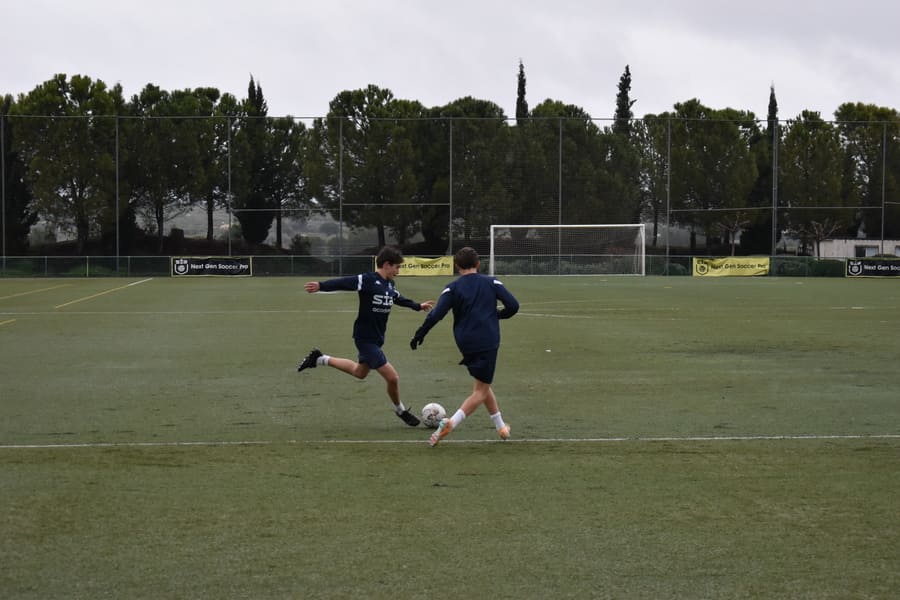
The use of analytical tools has accelerated the evolution of the modern player. Data, video, and personalized monitoring make it possible to identify areas for improvement with precision. When the player understands their strengths and weaknesses, learning becomes more efficient.
Integrating this information into daily routines enhances the footballer’s autonomy. They learn to self-evaluate and make conscious decisions about their performance, reinforcing their overall evolution.
A continuous process
The evolution of the complete player has no endpoint. It is a continuous process that demands commitment, curiosity, and adaptability. From physical strength to the intelligent footballer, each stage adds value and prepares for the next. Success is not about arriving quickly, but about moving forward with purpose.
At SIA Academy we believe that developing footballers means accompanying people in their evolution. Because the player who understands the game, understands themselves, and never stops learning is the one who is truly prepared to compete at the highest level.