




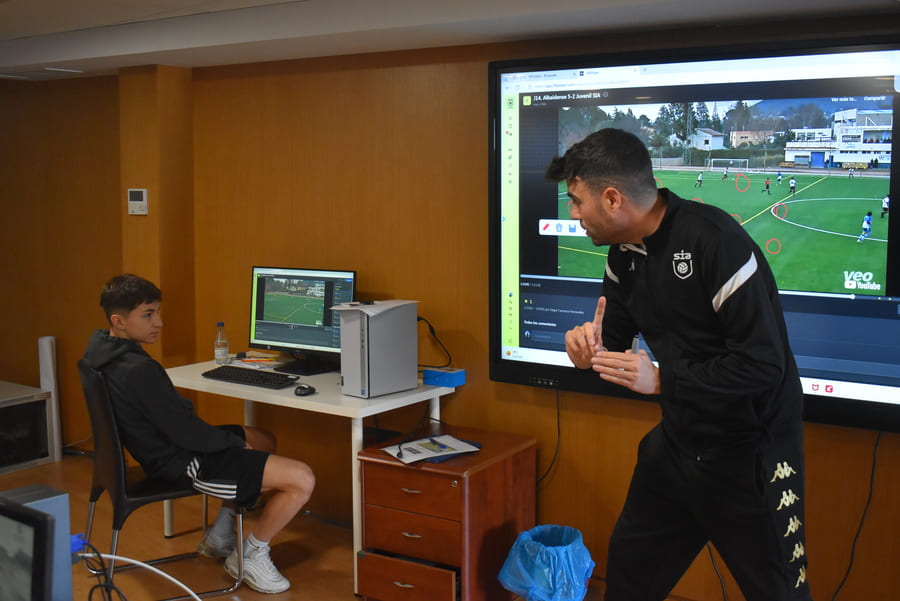

In today’s football, where time and space are reduced match after match, the ability to anticipate has become one of the most decisive skills for performance. It is no longer enough to react quickly; the high-level player must interpret signals, recognize patterns, and make decisions even before the action is completed. In this context, video analysis has become an essential tool for training anticipation, both for players and for coaches and analysts.
Table of contents
Anticipating is not guessing, it is interpreting
Anticipation is not an innate talent reserved for a few chosen ones. It is a trainable competency, deeply linked to game reading and perceptual experience. Players who anticipate well do not “guess” the action, but instead identify micro-signals: body orientation, the receiver’s profile, approach speed, and the opponent’s spatial distribution. Analysis applied to video makes it possible to isolate these situations and work on them consciously.
According to Alain, coach and video analysis specialist, “anticipation is born when the player starts to watch the game with intention, not just follow the ball.” This statement captures the essence of modern work: teaching how to see before teaching how to react.
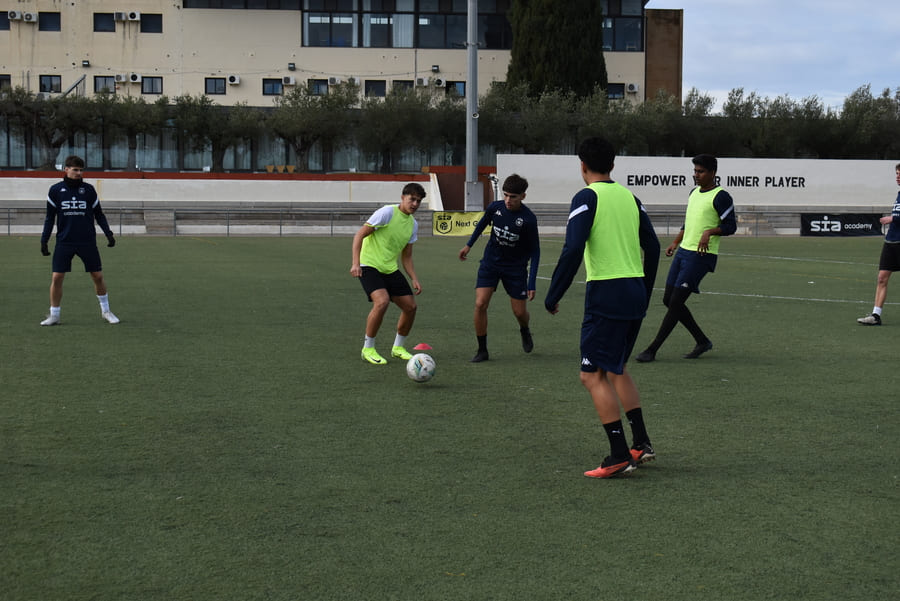
Video analysis as a learning accelerator
The systematic use of video multiplies learning speed, because it reduces exclusive dependence on on-field experience. Through visual analysis, a player can be exposed in minutes to dozens of scenarios that, in real competition, would take weeks to experience. This type of analysis is not limited to mistakes or successes, but instead focuses on the context preceding the action.
Repeating, pausing, and comparing plays helps build a richer perceptual memory. Analysis turns the implicit into the explicit, helping the player understand why a decision was right or wrong. In this way, anticipation stops being purely intuitive and becomes structured.
Training the mind before the legs
One of the biggest mistakes in the past was separating physical training from cognitive training. Today, both aspects are fully integrated. Video analysis acts as mental training prior to execution, preparing the player to recognize key situations when they appear on the field.
Alain explains it clearly: “when a footballer has already seen a situation twenty times on video, the brain recognizes it in fractions of a second when it happens in the match.” This cognitive advantage is especially valuable in positions where decision time is minimal, such as center backs or midfielders.
From collective patterns to individual detail
Analysis allows work at both collective and individual levels. At the group level, it helps identify repeated opponent behaviors: build-up patterns, automated movements, or structural weaknesses. At the individual level, analysis becomes a self-knowledge tool, where the player understands how they interpret the game and how they can improve their anticipation.
This personalized work is key to modern development. Not all players anticipate in the same way, nor should they. Well-applied analysis respects the player’s profile and enhances their strengths, rather than imposing rigid models.
Methodology applied from the training stage
At SIA Academy, we understand video as an essential pillar of sports development. We work on anticipation through deep understanding of the game, using video not as a simple corrective resource, but as a formative tool. We integrate analysis into the player’s routine so that it becomes a natural part of the learning process.
Our approach combines guided observation, open questions, and tactical contextualization. We believe that analysis should teach players how to think, not just how to memorize actions. For this reason, we encourage players to actively participate in reading the images, developing their own criteria.
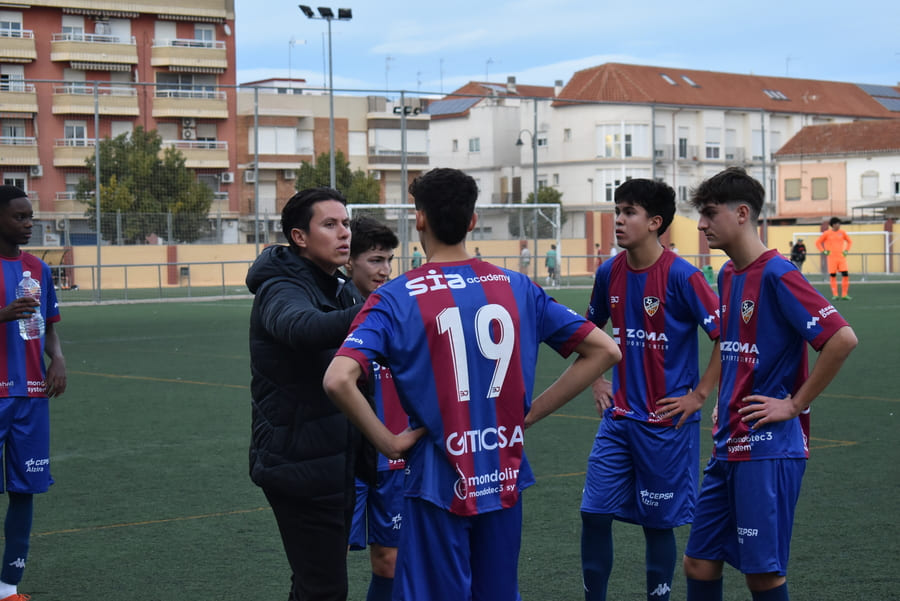
Anticipation and decision-making under pressure
Anticipation is directly related to decision-making. The earlier a situation is recognized, the more options appear. Analysis prepares the player to make better decisions under pressure, because it reduces uncertainty. Knowing what usually happens in certain contexts frees mental resources and allows execution with greater calm.
This aspect is especially relevant at formative and semi-professional levels, where the competitive jump is often accompanied by a sudden increase in game speed. Analysis acts as a bridge between levels, easing adaptation.
The future of cognitive training
Everything points to the continued growth of analysis. Technology increasingly offers more tools to deepen game study, but real value still lies in methodology. Analysis without pedagogical intention loses impact, while well-directed analysis becomes a real competitive advantage.
At SIA Academy, we are committed to training professionals capable of using video with purpose, understanding what to show, when, and why. We do not see analysis as an end, but as a means to train smarter, more autonomous players who are better prepared to anticipate.
Seeing better to play sooner
Anticipation is one of the great differences between the reactive player and the dominant player. Video analysis has proven to be a key tool for training this ability, accelerating learning and improving decision-making. As Alain summarizes, “football is played with the feet, but it is won with the eyes and the mind.”
In an increasingly competitive environment, learning to anticipate is no longer an option, it is a necessity, and well-applied analysis is the most direct path to achieving it.