




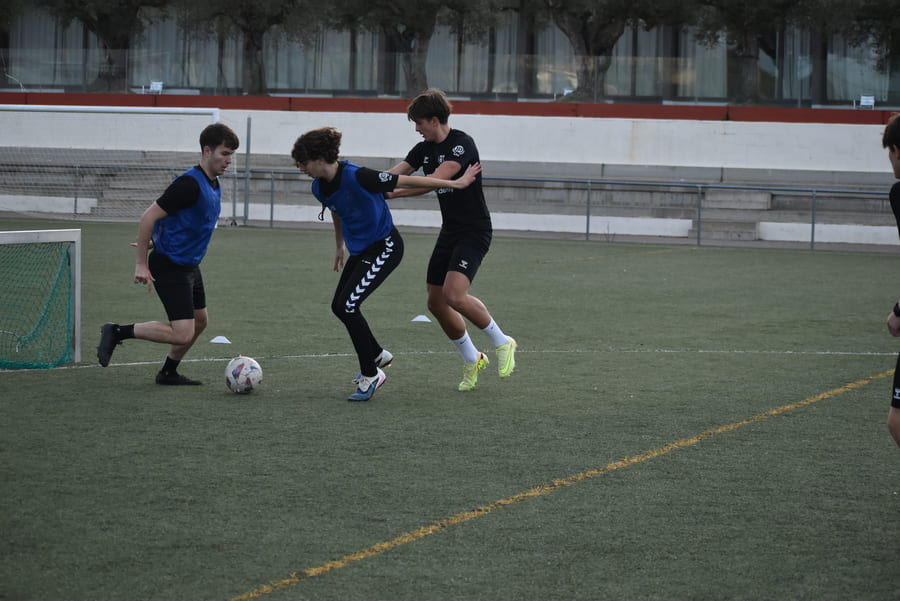

For decades, having the ball was synonymous with dominating matches. The idea that a team with a greater ability to keep possession of the ball had a better chance of winning became a tactical reference for coaches and fans alike. However, modern football has shown that possession alone no longer guarantees control of the game or victory.
Table of contents
The tactical evolution of football
The development of new methodologies and the emergence of more dynamic systems have transformed the way the game is understood. Nowadays, many teams prefer to give possession to their opponents in order to exploit spaces and attack through quick transitions. Efficiency has become more important than accumulating passes without penetration.
In Europe’s major leagues, it is common to see teams with lower possession percentages that still dominate the decisive moments of a match. Counter-pressing, recoveries in the opponent’s half and speed in counterattacks have become fundamental elements.
Ball statistics no longer fully reflect who controls the rhythm of the game. True dominance lies in space management, intensity and the ability to create chances.
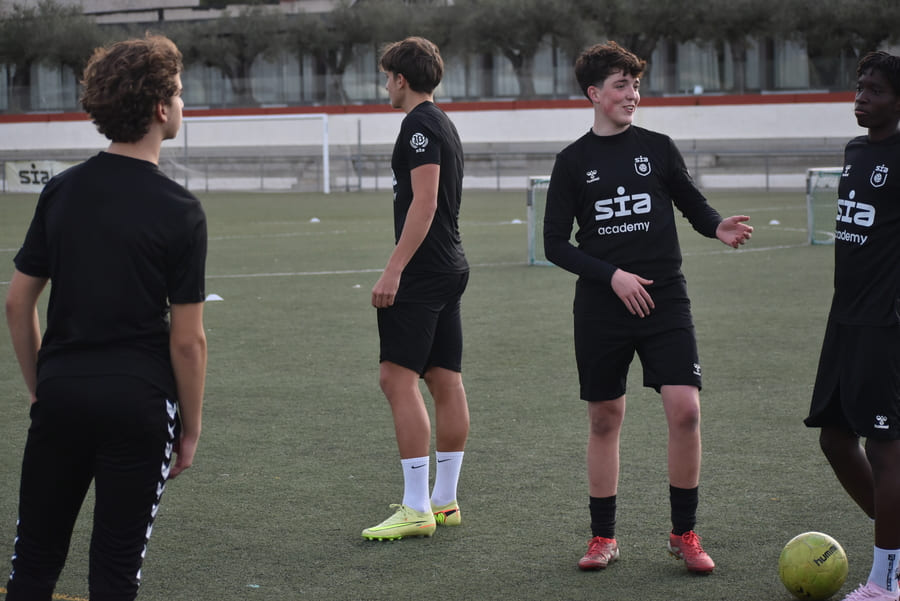
Quality outweighs quantity
Having high possession does not always mean creating danger. Some teams are capable of moving the ball for long periods without finding attacking solutions. Meanwhile, others need only a few touches to reach the opposition area effectively.
The key lies in understanding each phase of the match. Modern football requires knowing when to accelerate and when to slow the game down. Therefore, possession must be accompanied by purpose and verticality.
“The ball is important, but what really matters is knowing what to do with it at every moment,” explains José Luis, coach at the academy.
This evolution has led many coaches to prioritize concepts related to decision-making and space occupation over possession percentages.
Data changes the interpretation of the game
Statistical analysis has made it possible to better understand which factors truly influence results. Advanced metrics show that the number of chances created, effective pressing and shot quality are more relevant indicators than simple possession.
Modern coaches seek a balance between control and efficiency. Keeping the ball remains important, but always with a clear objective. Horizontal circulation without penetration loses value compared to actions that unbalance the opposition.
In addition, modern defensive systems are far more compact. This forces teams with high possession to find creative solutions to break lines and avoid predictable attacks.
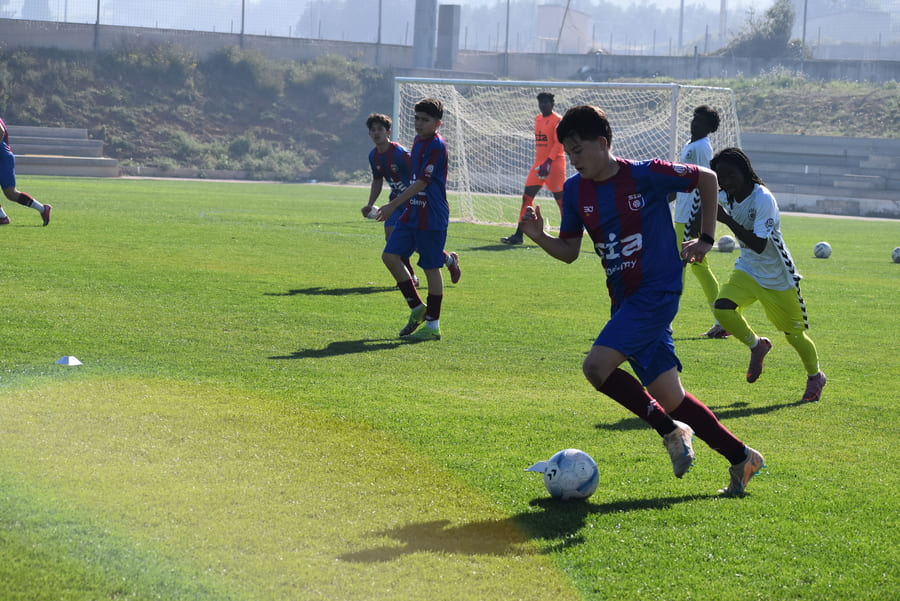
How we work possession at SIA Academy
At SIA Academy, we understand that contemporary football requires comprehensive development. Our objective is not only to keep the ball, but also to teach players how to interpret every situation in the match.
We work daily on tactical, technical and physical aspects so that our players know when to make the most of possession and when to accelerate the game. We believe that every action should have a clear intention and not simply aim to maintain statistical control.
In our methodology, we place great importance on tactical intelligence and game understanding. That is why we design specific sessions focused on transitions, pressing and decision-making in reduced spaces.
“The best way to dominate a match is not always by having the ball for longer, but by knowing how to interpret every context,” says José Luis, coach at the academy.
At SIA Academy, we are committed to a training model adapted to the demands of international football. We analyze different playing styles and teach players how to perform in varied scenarios, where possession can be a tool, but never the only resource.
The future of control in football
Tactical evolution will continue to transform the sport. More and more coaches understand that controlling a match means influencing its different phases and not simply monopolizing possession.
The ability to adapt to different contexts has become one of the greatest virtues of the modern footballer. Speed of execution, tactical awareness and collective coordination are decisive factors for competing at the highest level.
Possession will continue to play an important role, but its meaning has changed. It no longer automatically represents dominance of a match. In modern football, control is measured by the ability to impose a game plan, create advantages and respond to the demands of every situation.
That is why, at SIA Academy, we believe that developing complete players means teaching them to understand the game from a broader perspective. Success does not depend solely on having the ball, but on knowing how to use it to make the difference in decisive moments.