

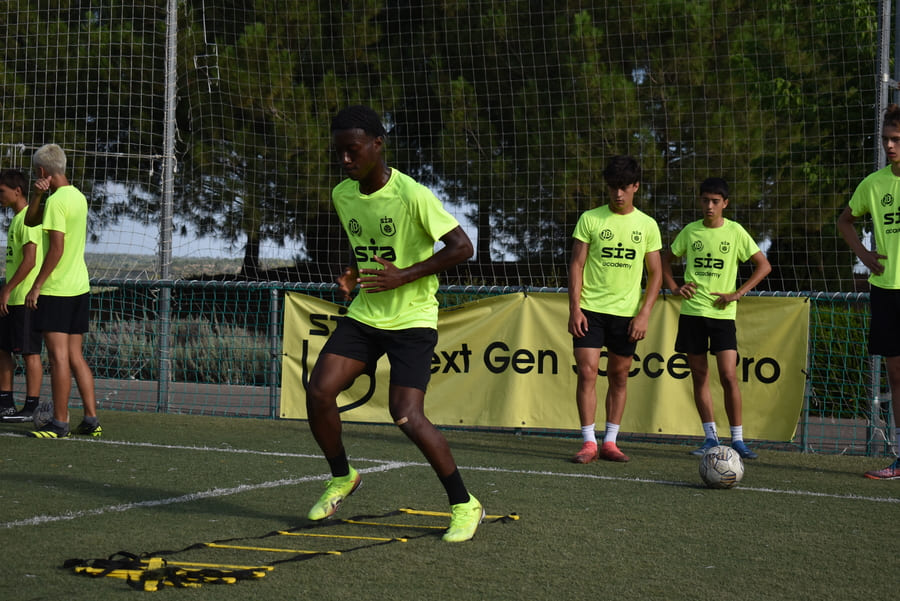

Summer is a key opportunity for the development of young footballers, and programs such as the summer camp of SIA Academy, which will take place between June 22 and August 15, 2026, reflect how sports training has evolved in recent years.
Compared to more traditional models, alternatives focused on performance and professionalization are emerging. Understanding the differences between a traditional camp and a high-performance camp is essential to choosing the best option.
Table of contents
Training approach vs competitive approach
In a traditional camp, the main objective is usually enjoyment and social interaction. Training sessions are more general and aim for participants to enjoy the sport without excessive pressure. This type of camp has important value, especially at younger ages, but it limits technical and tactical progress.
On the other hand, high-performance programs are designed to maximize individual abilities within a demanding camp, with structured sessions, clear objectives, and constant monitoring. At SIA Academy, we work under this philosophy in our camp, integrating professional methodologies that bring players closer to the reality of competitive football.
Training methodology
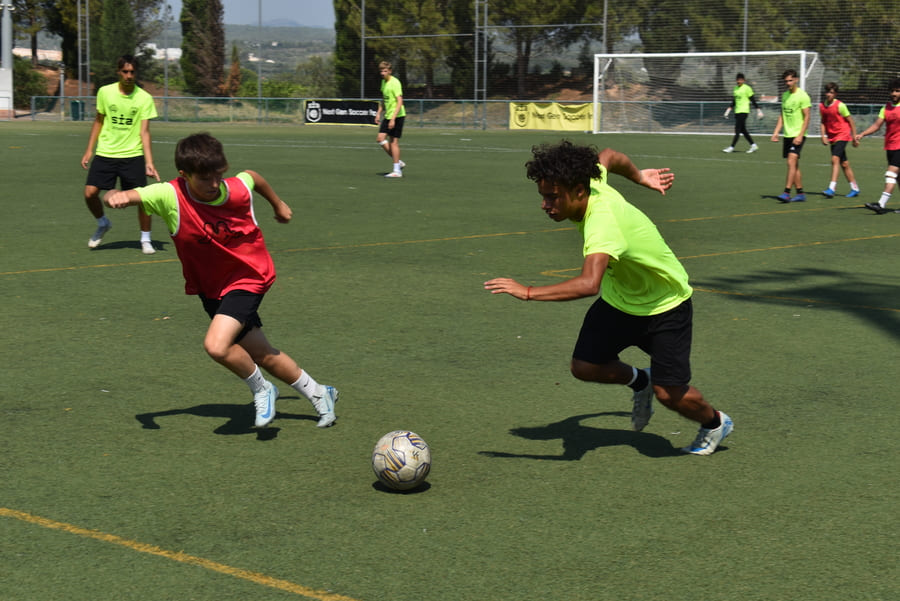
One of the most differentiating aspects in any camp is methodology. In a traditional camp, exercises tend to be repetitive and not very personalized. Training is conducted in groups without paying much attention to individual needs.
In contrast, in a high-performance camp each session has a specific purpose, from technical improvement to decision-making in real game situations. Our camp is structured based on performance analysis, adapting loads and content according to each player’s profile.
“Talent without direction is wasted; the important thing is to teach players how to think on the field,” says José Luis, academy coach.
Level of demand and discipline
Another key point in a camp is the level of demand. In a conventional camp, the competitive level is more relaxed, which fosters a more laid-back environment but is less focused on improvement.
However, a high-performance camp requires discipline, consistency, and a professional mindset, essential aspects for those aiming to take a step forward. In our 2026 summer camp, we promote these values progressively, respecting each player’s pace while maintaining a competitive focus.
Physical preparation and injury prevention
In many traditional camp programs, physical preparation takes a back seat. The ball is prioritized, but aspects such as endurance, strength, and recovery are often neglected.
In contrast, high-performance camp environments integrate advanced physical preparation and injury prevention protocols, which are fundamental in modern football. In our camp, we have specialized professionals who design tailored plans for each player, optimizing performance and reducing risks.
Use of technology and analysis for football
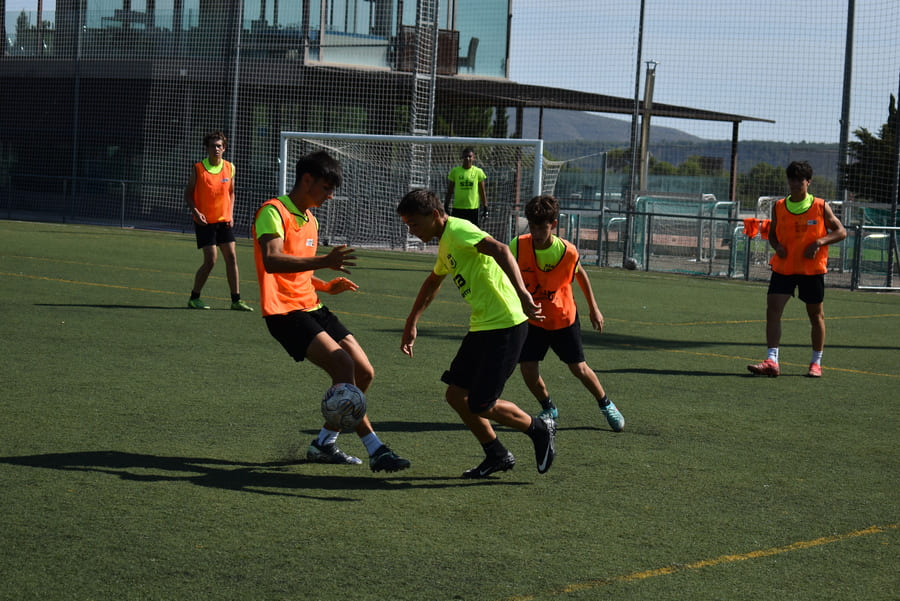
Technology is another key factor in any camp. In a traditional camp, analytical tools are rarely used.
On the other hand, a high-performance camp incorporates technology to evaluate and improve performance, from training recordings to tactical analysis. At SIA Academy, we use these resources within the camp to provide detailed feedback, helping players understand their strengths and areas for improvement.
Environment and sporting projection
The environment of a camp also plays a role. In more basic camp settings, the environment is usually not connected to professional football.
In contrast, high-performance camp programs create an ecosystem close to elite football, with qualified coaches, connections, and real growth opportunities. Our summer camp not only aims to improve skills but also to open doors in the sporting world.
“Here they don’t just train; they learn to compete and to live with daily demands,” adds José Luis.
Player experience
Finally, the experience within a camp makes the difference. In a traditional camp, the main takeaway is usually fun and friendships.
In a high-performance camp, the experience combines learning, personal development, and preparation for future challenges. We take care of every detail within the camp, from planning to individual follow-up, so each player can make the most of their stay.
A choice that shapes the future
Choosing between a traditional camp and a high-performance camp depends on the player’s goals. If the aim is to enjoy football recreationally, any camp may be valid. But if the goal is to improve, compete, and get closer to a professional level, the choice of camp must be more demanding.
That is why more and more families are choosing a camp that combines training, discipline, and professional methodology, like the one we develop during the summer of 2026. Without making big promises, the key is to offer an environment where talent can grow with purpose.
Ultimately, the difference lies not only in how a camp is experienced, but in what that camp is chosen for. And that is where high performance sets the path.