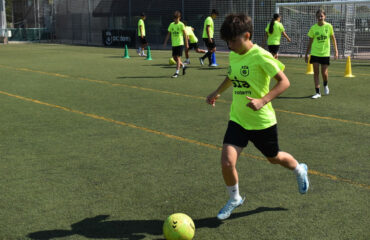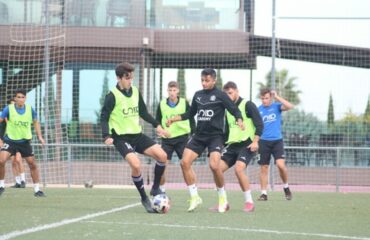




Competitiveness within a team is one of the factors that contributes most to the growth of a football team. When players strive every day to improve their performance, earn playing time, or stand out in training sessions, an environment is created that encourages both individual and collective development. For this process to be beneficial, it must take place within a sporting culture based on respect, commitment, and teamwork.
Every squad is made up of players with different abilities, experiences, and goals. Competitiveness allows each individual to find new challenges and motivations to continue progressing. As a result, the overall level of the group increases, and coaches have more options available to deal with the different situations that arise throughout the season.
Furthermore, this concept goes far beyond competing for a place in the starting eleven. It is also linked to the constant pursuit of excellence in areas such as physical preparation, tactical discipline, concentration, and the ability to learn. When all team members share this mindset, a positive dynamic is created that benefits the entire squad.
Table of contents
How it benefits team performance
One of the most visible effects of competitiveness is the increase in intensity during training sessions. Players know that every session represents an opportunity to demonstrate their qualities and continue growing within the group.
This situation promotes continuous improvement in performance. Competitiveness encourages players to maintain a high level of commitment throughout the season, preventing complacency and stimulating daily motivation. As a result, the team develops stronger and more effective work habits.
Another important benefit is the strengthening of resilience. Players learn how to manage difficult moments, accept coaching decisions, and respond positively to challenges. These experiences are essential for those who aspire to progress to higher levels of competition.
Competitiveness also helps reinforce meritocracy within the dressing room. When players feel that effort is rewarded, confidence in the sporting project and in the coaching staff’s decisions increases. This creates a more committed and professional environment.
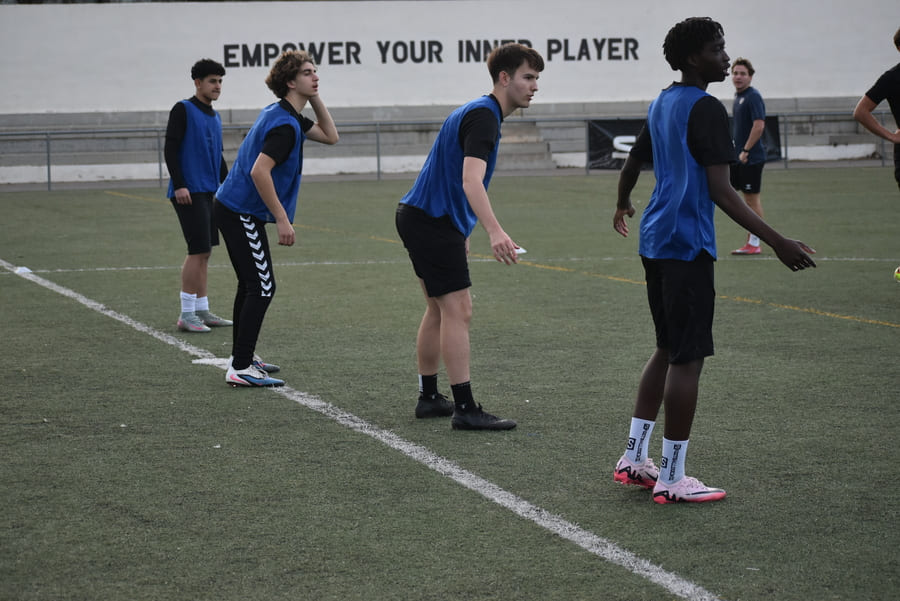
The balance between competing and collaborating
Although competitiveness offers numerous advantages, it can also cause problems if it is not managed properly. A poorly understood rivalry can affect group cohesion and damage the working environment.
The strongest teams are usually those that find the balance between individual ambition and collective commitment. Every player seeks to improve and stand out while always understanding that the success of the group comes before any personal interest.
When this balance is achieved, competitiveness stops being a simple rivalry and becomes a tool that drives the growth of every member of the squad.
Our vision at SIA Academy
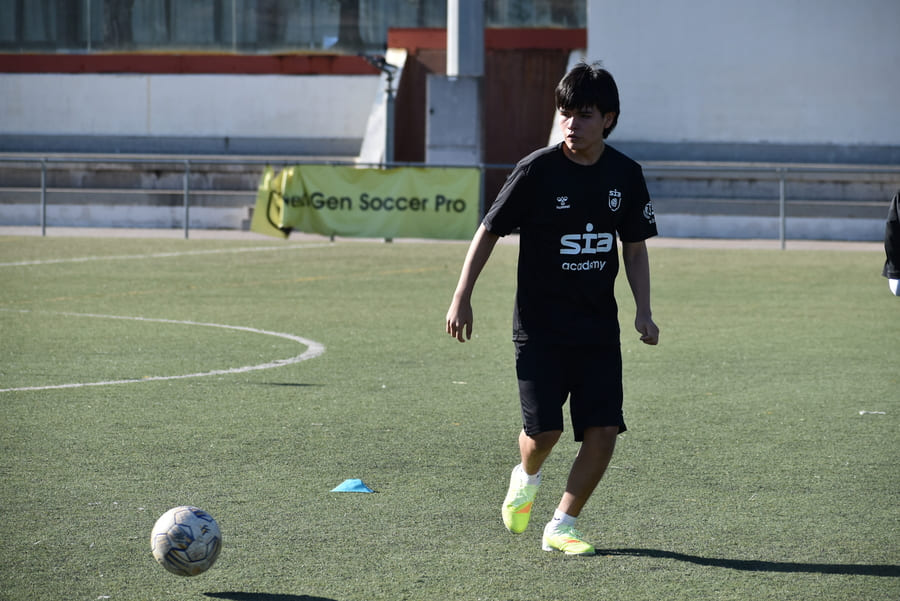
At SIA Academy, we understand that competitiveness is part of the development process of every football player. For this reason, we work to create an environment where each player can reach their full potential without losing sight of the fundamental values of sport.
We promote a mindset focused on learning and continuous improvement. We believe that healthy competition helps players discover their strengths, identify areas for improvement, and develop a more professional attitude.
In our training sessions, we design scenarios that replicate real match situations, allowing players to learn how to make decisions under pressure and increase their confidence on the pitch. In this way, competitiveness becomes an educational experience that supports both sporting and personal growth.
José Luis, coach at the academy, summarises this philosophy with a highly representative reflection:
“Competitiveness should encourage players to bring out the best version of themselves, never to harm their teammates.”
This vision helps create an environment where high standards and respect coexist in a balanced way.
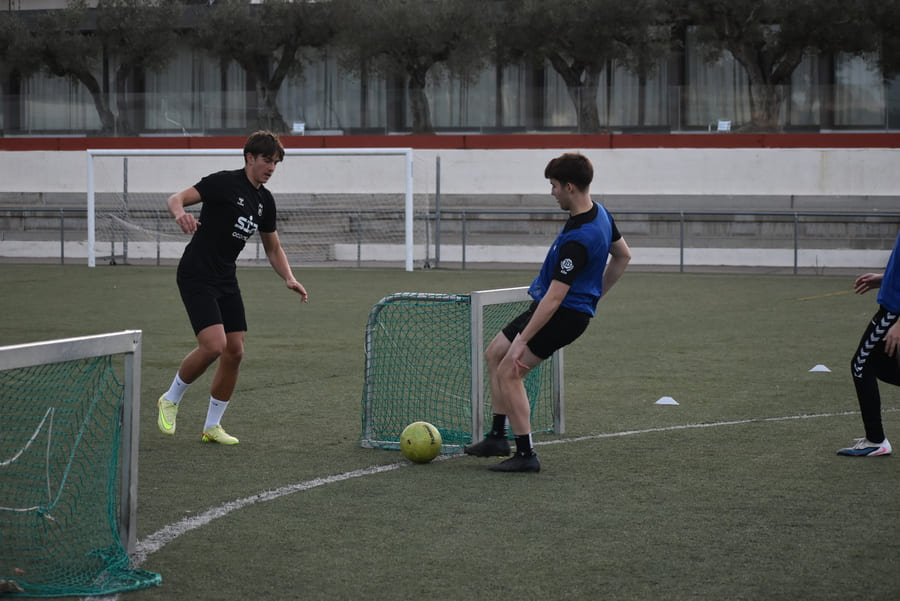
Competitiveness as preparation for professional football
Professional football requires a strong ability to deal with daily competition. Players must constantly prove their level and make the most of every opportunity that comes their way throughout the season.
At SIA Academy, we work to ensure that our players understand this reality from a constructive perspective. We consider competitiveness to be a tool that prepares athletes to face new challenges with confidence, security, and maturity.
José Luis also highlights the importance of this learning process:
“When a player learns to live with competitiveness in a healthy way, they are developing skills that will accompany them throughout their entire career.”
A key factor in achieving objectives
Competitiveness can make the difference between a team that always remains at the same level and one that constantly evolves. When the right culture exists, players feel motivated to improve, take responsibility, and contribute to collective growth.
The key is to turn daily demands into an opportunity to learn, progress, and strengthen the group. In this way, individual performance improves, the collective benefits, and the team is better prepared to achieve its sporting goals.
At SIA Academy, we believe that this approach is essential for the comprehensive development of players. That is why we continue to invest in a methodology in which technical training, personal growth, and continuous improvement come together to help every footballer reach their best version both on and off the pitch.