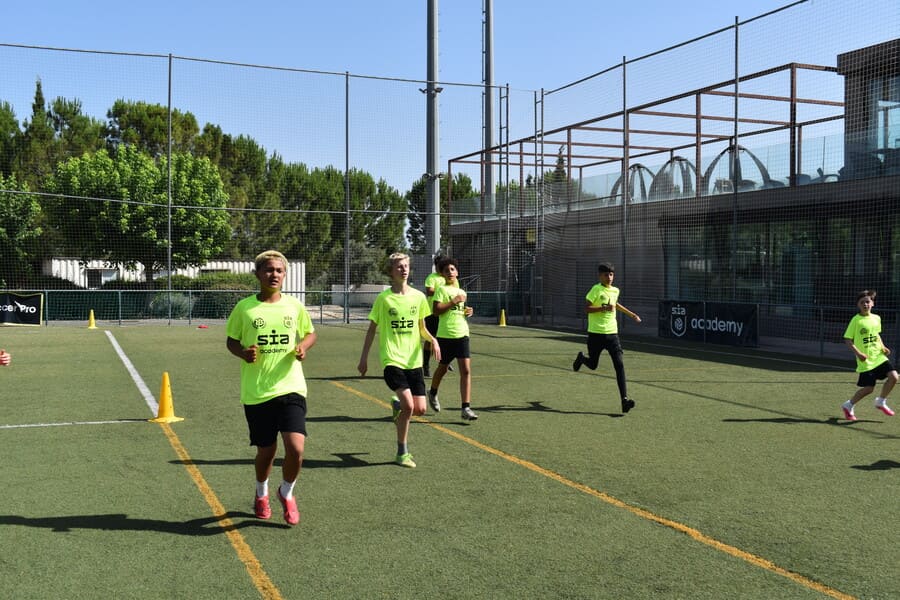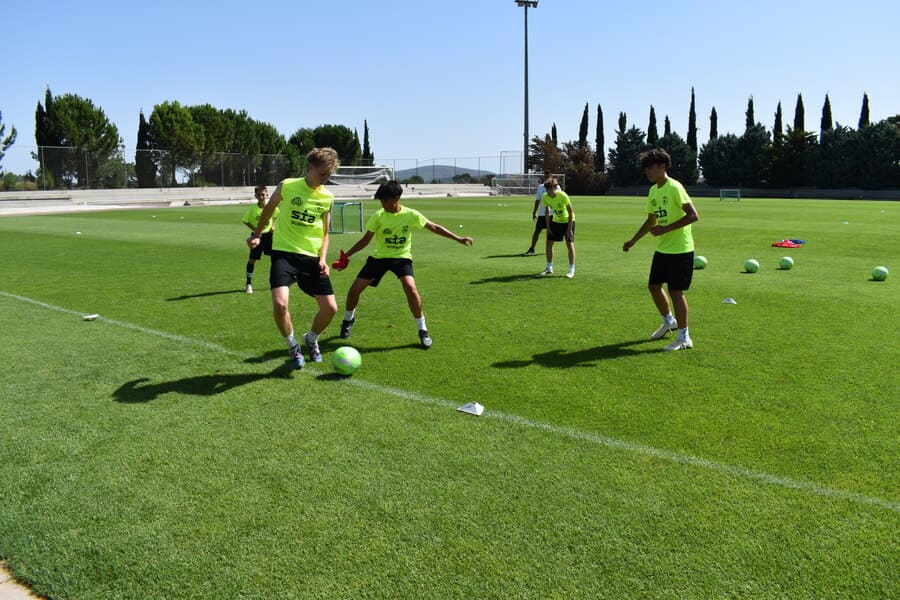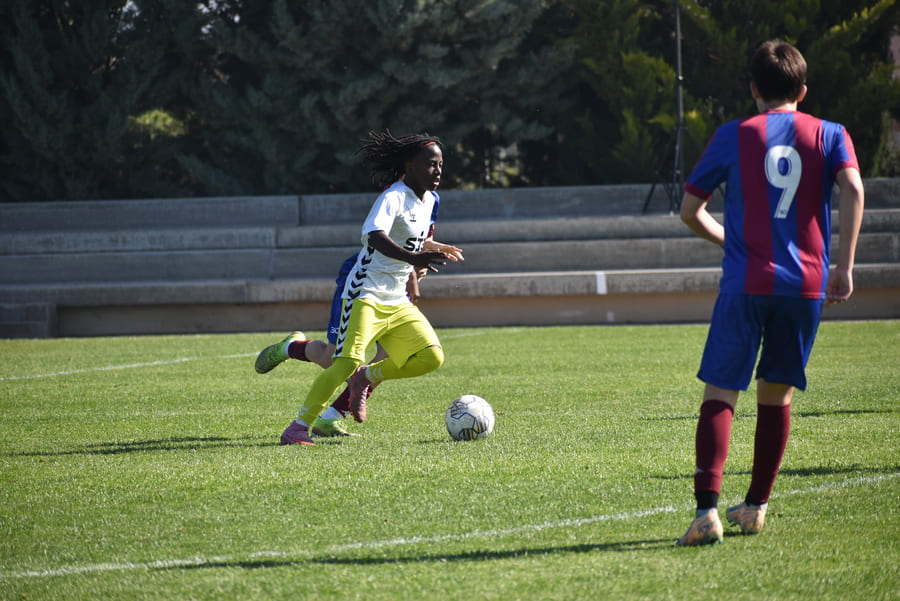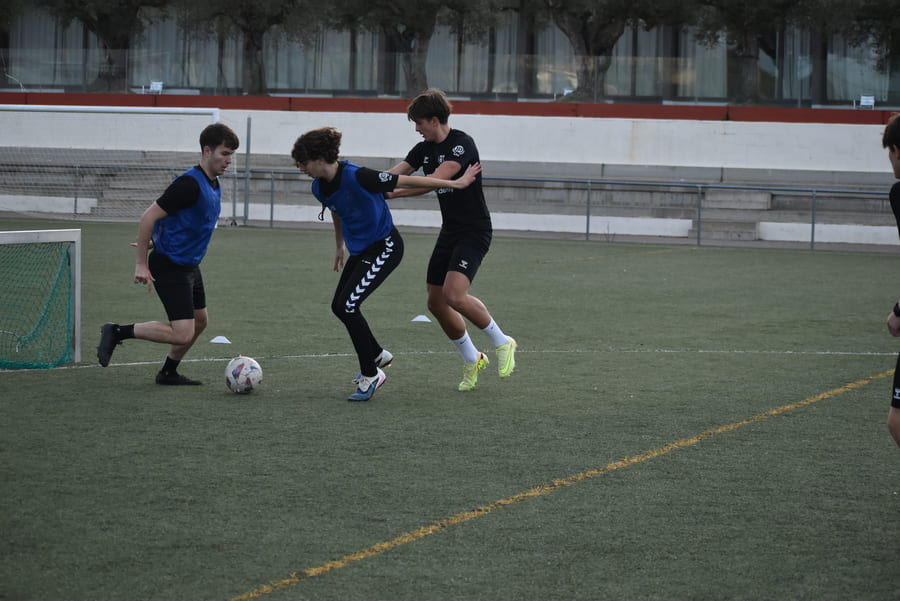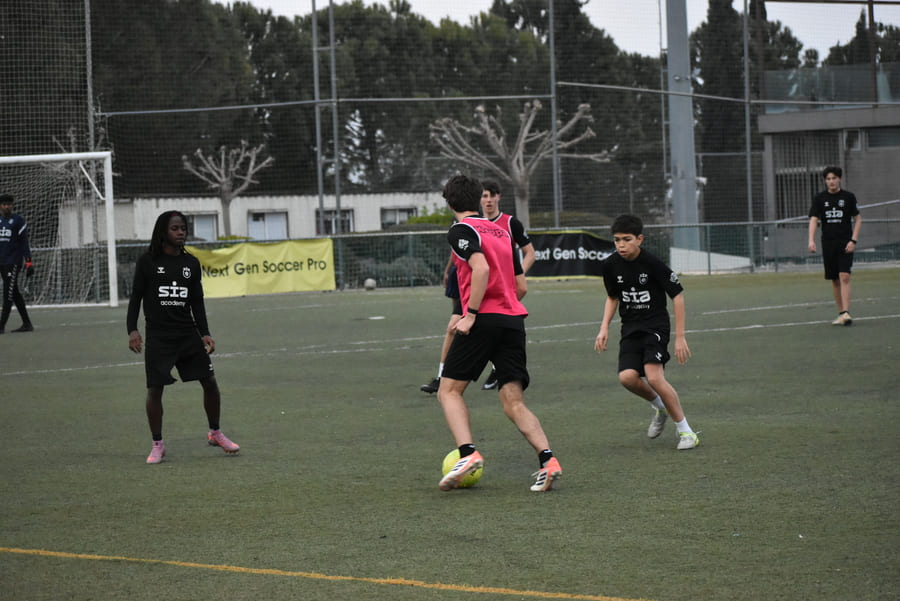


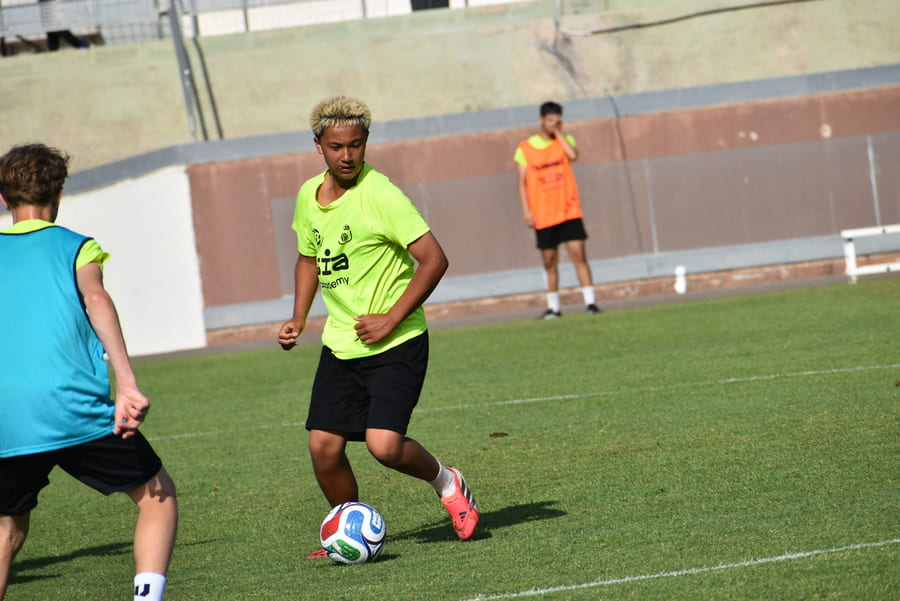
Real progress as a footballer does not happen by chance, but as a consequence of conscious, structured and consistent work. Many players train hard, put in the effort and show commitment, yet still feel they are not improving at the pace they expect. At SIA Academy, from my direct experience on the pitch, I have
- Published in ENG-BLOG
No Comments
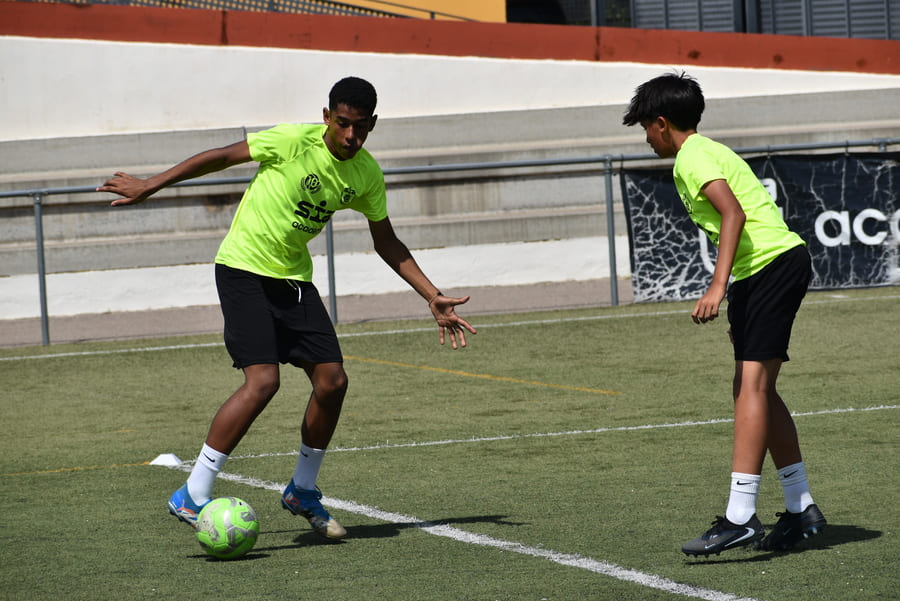
Sports training at an early age must start from a fundamental idea: young athletes learn better when they enjoy themselves. In today’s football, where demands increase each season, finding the balance between fun and performance may seem difficult. However, the key lies in designing specific, progressive and engaging preparation. At SIA Academy we are committed
- Published in ENG-BLOG
LaLiga is going through a key moment in the season in which the standings are beginning to show clear trends, although there is still room for surprises. With several teams standing out in the title race, an extremely competitive middle zone and a lower part where pressure increases week after week, the Spanish championship once
- Published in ENG-BLOG
In modern football, creativity remains a competitive advantage. Players who master unexpected movements are more likely to break lines, create spaces and unsettle well-organized defenses. At SIA Academy we know this well: we work every week so that our footballers integrate useful and surprising resources into their game. As our coach Alain often says: “talent
- Published in ENG-BLOG
At SIA Academy we believe that every learning process must be built on a solid structure that allows our players to grow in a balanced way. That is why, when we talk about the perfect high-performance day, we are not referring to an unattainable ideal, but to a real, measured plan adapted to the needs
- Published in ENG-BLOG
Training footballers today means taking on an educational commitment that goes far beyond sporting performance alone. At our academy, we understand football as a life-learning tool, where every training session, every conversation, and every decision helps shape responsible, thoughtful people prepared for future challenges. In this context, fostering autonomy in players is not an option,
- Published in ENG-BLOG
In today’s football, where time and space are reduced match after match, the ability to anticipate has become one of the most decisive skills for performance. It is no longer enough to react quickly; the high-level player must interpret signals, recognize patterns, and make decisions even before the action is completed. In this context, video
- Published in ENG-BLOG
At SIA Academy we have always believed that the true improvement of a footballer cannot be evaluated only with feelings or isolated results. For us, evolution must be measured with objective data, with clear metrics, and with constant monitoring that allows us to understand how each player progresses in their development process. Over the years
- Published in ENG-BLOG
SIA Academy’s participation in the Johan Cruyff tournament 2025 in Salou was a clear demonstration of competitiveness, development, and commitment to our working model. Between December 5 and 8, we took part in one of the most prestigious events in youth football with our U16 cadet team, enjoying a high-level experience that strengthened both the
- Published in ENG-BLOG
December 5 marked one of the most anticipated moments on the international football calendar: the World Cup 2026 draw. It was not just another symbolic event, but the exact point at which the tournament began to take on real shape. From that moment on, national teams, coaching staffs, analysts, and fans started to visualize specific
- Published in ENG-BLOG
In modern football, where small details make the difference between a competitive team and a truly winning one, communication emerges as a tactical resource as important as set plays, physical preparation or opponent analysis. In such a dynamic environment, the tone of voice, the way information is delivered and the emotional clarity of the message
- Published in ENG-BLOG
Emotional nutrition has become a key concept for understanding sustained sports performance. This approach highlights a direct relationship between emotions and eating habits, showing up both as emotional eating—eating to manage negative emotions—and as an integral model of well-being where physical health and emotional stability reinforce each other. In both youth and professional football, this
- Published in ENG-BLOG