


In modern football, the ability to adapt to different styles of the coach is one of the most important skills for any player who wants to compete at the highest level. Every team has a different idea, every coach demands different nuances, and every competitive context forces the player to constantly adjust their understanding of the game. For this reason, adaptation is not an extra, but an essential condition for performing at the top level.
At SIA Academy we work on this reality constantly because we understand that a footballer is not developed for a single system, but for multiple changing scenarios throughout their professional career under the influence of the manager.
Adaptation is a structural requirement of modern football that depends directly on the manager and their working model.
Table of contents
Understanding the game before executing it
One of the most common mistakes in young players is trying to perform without understanding what the manager asks for. Every manager has a different internal logic: possession, fast transitions, high pressing or mid-block. Without that understanding, performance becomes inconsistent.
Understanding the coach’s model is what turns execution into real performance within the system.
The manager defines roles, structures and the rhythm of the team. When the player correctly interprets what the manager demands, decision-making improves and competitive errors are reduced.
Maintaining identity within the system
Adapting to the coach does not mean losing the player’s essence. A fast player will still be fast, but must adjust their impact depending on what the coach needs.
At SIA Academy we insist that development is about expanding resources, not removing them. The manager may change, but the player must maintain their competitive base.
A complete player is one who adapts to the manager without losing their identity within the game.
The coach as a structural performance factor
A player’s performance depends heavily on the coach. Not only because of the tactical system, but also because of how the coach communicates, corrects and manages the group.
The same player can perform differently under two different coaching approaches without their actual level changing.
The manager directly influences the player’s confidence, decision-making and competitive stability.
Mental stability in changing contexts
One of the most important factors is emotional stability in relation to the manager. Changing style or model can create insecurity if the player does not have a strong mental base.
Mental stability allows performance even when the coach completely changes the system.
At SIA Academy we work on this dimension because we understand that the player cannot depend on external context or the manager to maintain performance.

Communication and adaptation to the manager
Communication with the manager is key to accelerating adaptation. Understanding what the manager asks reduces errors and improves execution.
As Alain, manager from SIA Academy explains: “the player who quickly understands what the coach asks for is the one who adapts fastest to the competitive rhythm”.
He also adds: “every manager has their internal logic, and the intelligent player learns to interpret it without losing their essence”.
Clear communication reduces uncertainty and accelerates adaptation within the group.
Adapting to the manager’s rhythm
Every coach imposes a different training and playing rhythm. Some prioritise intensity, others control, and others fast transitions. The player must adjust their energy to what the coach demands.
Knowing how to interpret the coach’s rhythm is key to performing consistently.
Training at SIA Academy
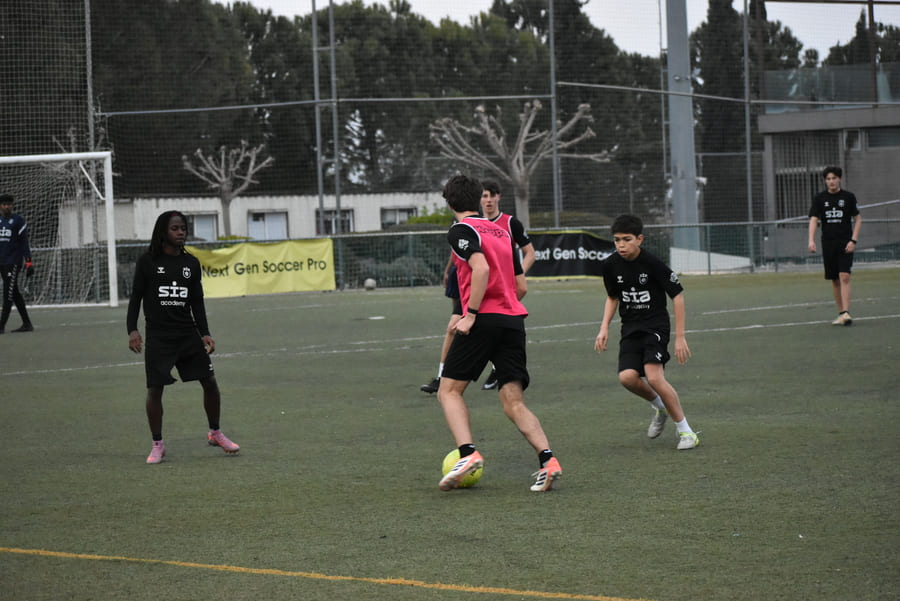
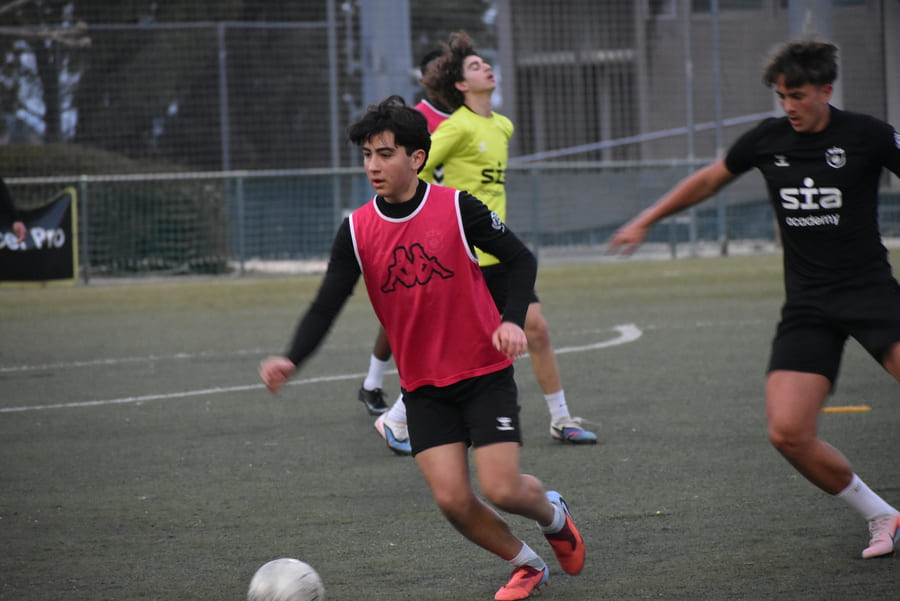
At SIA Academy we expose players to different models so they learn to adapt to any manager. This develops tactical and mental flexibility.
Exposure to multiple models accelerates the competitive maturity of the player.
Adaptation in high-demand scenarios
In high-level competition contexts, the coach adjusts roles, systems and workloads based on team performance. The player must adapt without losing stability.
The manager also manages pressure, internal dynamics and real-time match decisions.
Adapting to different styles of the coach is not only a tactical skill, but a global competence that combines understanding, mentality and decision-making.
At SIA Academy we understand that top-level football requires constant adaptation to the manager and their game model.
The real difference is not the system, but the player’s ability to perform under any coach.