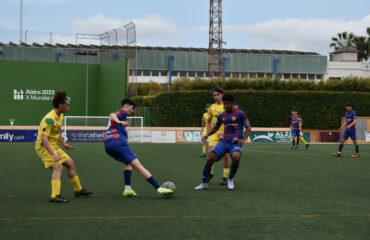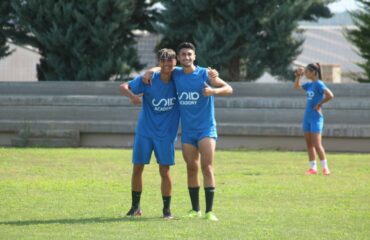


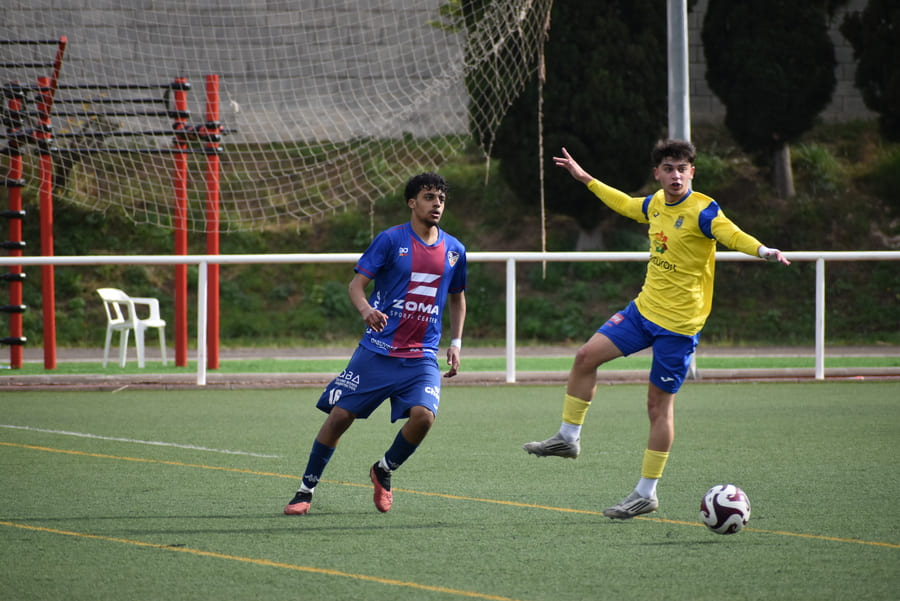

Modern football demands increasingly complete players. It is no longer enough to master just one side; the game requires versatility, quick decision-making, and technical resources in any situation. In this context, the ability to use both legs naturally has become a key differentiating factor for any developing footballer. Working on the less skilled side not only improves individual performance but also opens up new possibilities on the field.
From our experience at SIA Academy, we understand that this development must be progressive, conscious, and adapted to each player. It is not just about repeating exercises, but about integrating learning into real and competitive gameplay.
Table of contents
The relevance of balanced technical development
Many young players build their game around their dominant side, which limits their options. When a footballer depends exclusively on one leg, their ability to adapt is significantly reduced. On the other hand, working on technical balance allows players to be more unpredictable, improve ball control, and execute better under pressure.
In our training programs, we encourage the constant use of the less habitual side so that the player gains confidence. This involves accepting mistakes during the process, which is completely necessary. Mistakes are part of learning and are key to consolidating new skills.
“Real progress appears when the player stops avoiding their weaker side and starts trusting it without fear,” says José Luis, academy coach.
Exercises to improve the non-dominant leg
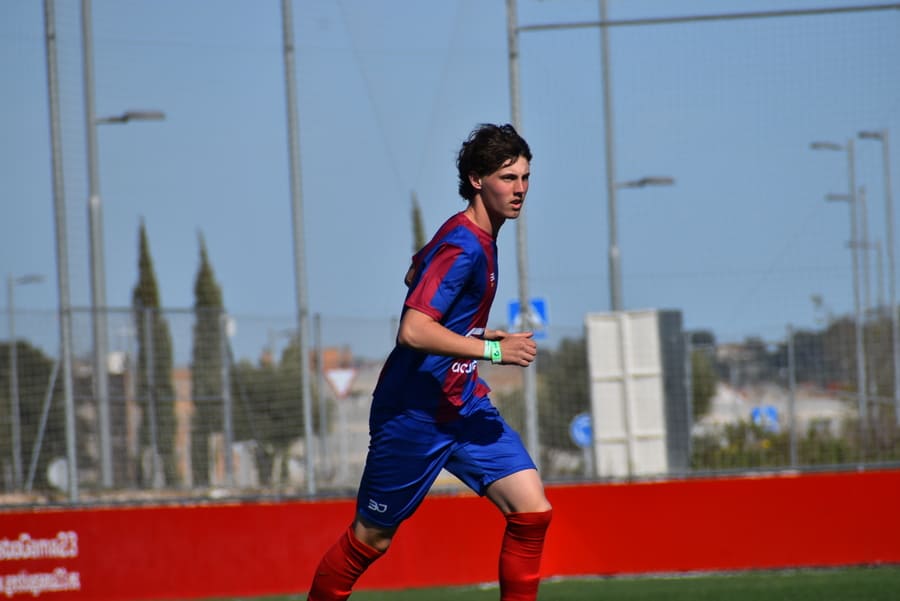
Specific training is essential to develop coordination and precision. There are many exercises that help improve control, passing, and striking with the less-used leg. The key is quality repetition, not quantity without intention.
Some of the most effective tasks include controlled dribbling, passing against a wall, oriented controls, and simple finishing. These activities should be performed at different intensities to simulate real match situations. Progression should move from simple exercises to more complex and dynamic scenarios.
At SIA Academy, we design sessions where each player works individually. This allows us to detect technical errors and correct them specifically. Personalized training accelerates development and improves the player’s confidence.
The role of the mind in performance
One of the main barriers to using the less skilled leg is psychological. Many players feel insecure and avoid using it during matches. This limitation is not technical, but mental. Overcoming the fear of making mistakes is essential to evolve as a footballer.
During our sessions, we create contexts where the use of the non-dominant leg is mandatory. This forces the player to step out of their comfort zone and face real situations. Repetition in competitive environments builds confidence and natural use of the skill.
“It’s not enough to know how to do it in training, you have to dare to apply it in matches,” explains José Luis.
Application in real game situations
The next step is transferring learning to the pitch. It is useless to master technical exercises if they are not applied in real gameplay. True development happens when the player uses both sides automatically during matches.
This includes actions such as controls in tight spaces, quick passes under pressure, switches of play, or unexpected finishes. Each of these situations requires precision and confidence. A player who masters both sides has more solutions and can adapt better to any scenario.
At SIA Academy, we work with tasks that simulate real match conditions. This ensures that learning is transferable and effective. The goal is for the player not to think about which side to use, but to act naturally depending on the situation.
Improvement process and consistency
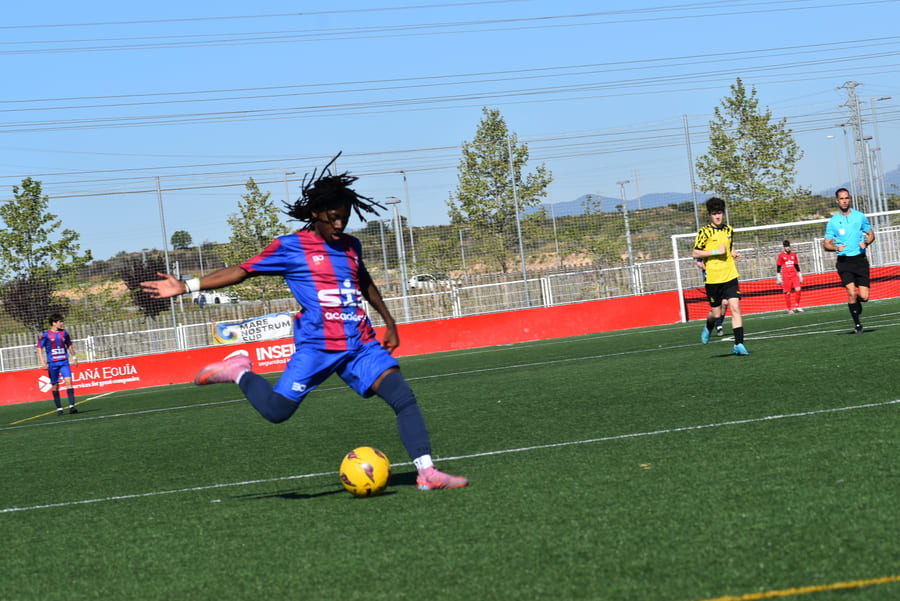
Developing the non-dominant leg is not immediate. It requires time, discipline, and the right mindset. Many players give up on this work when they do not see quick results, but this is a mistake. Improvement is progressive and cumulative, and each session adds value to the process.
It is important to set clear and measurable goals. For example, improving accuracy in short passes or increasing confidence in finishing. Tracking progress helps maintain motivation and visualize the player’s development.
From our methodology at SIA Academy, we support footballers throughout this entire process. Constant support and technical correction are essential to achieve solid and lasting results.
Benefits in overall performance
Developing the less skilled leg has a direct impact on overall performance. It not only improves technique but also game understanding. A more complete footballer can better adapt to different positions, systems, and match rhythms.
In addition, balanced use of each leg reduces predictability. This makes the opponent’s defensive work more difficult and creates advantages in attacking situations. Versatility becomes one of the main competitive weapons in modern football.
At SIA Academy, we have seen how this work transforms players. Those who initially avoided using their less skilled side end up incorporating it naturally. This change not only improves their performance but also their confidence on the pitch.