




Nostalgia is a common emotion in modern football, especially among young players going through transition processes. It can appear when recalling earlier, more comfortable stages, familiar environments, or past moments of success. Although it may seem harmless, nostalgia directly influences performance on the pitch, as it affects concentration, decision-making and the player’s emotional state.
At elite level, this emotion is not just a memory: it is a psychological factor that can shape how a player interprets the competitive present.
Table of contents
Nostalgia as an emotional factor in football
Nostalgia frequently appears during transition stages such as changes of country, club or training methodology. In these contexts, this emotion can create an initial sense of insecurity that affects the player’s confidence.
When nostalgia intensifies, the footballer tends to constantly compare their current situation with previous experiences. That emotion can cause a disconnection from the present and a loss of focus on tactical tasks. Performance in football largely depends on the ability to focus on the “now”.
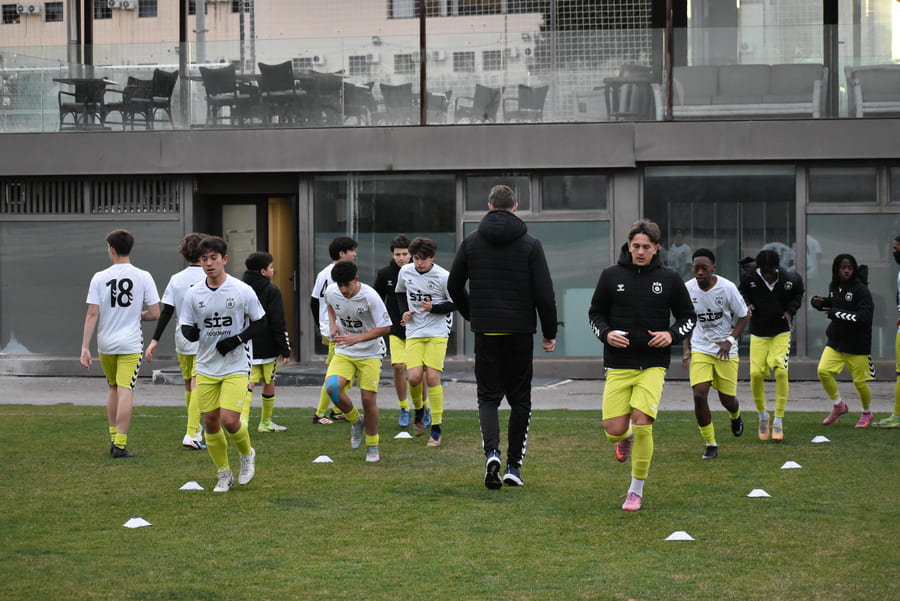
At SIA Academy we observe this phenomenon in many international players who arrive with high expectations but also with an important emotional burden.

Adaptation to change and competitive pressure
Modern football demands constant adaptation. Nostalgia can become an obstacle when the player fails to integrate quickly into a new competitive environment. In these cases, emotions appears as a mental refuge that reduces the intensity of daily learning.
Nostalgia is not always negative, but if it dominates the player’s thinking it can slow down their development. At SIA Academy we help transform emotions into motivation, using past experiences as positive references rather than limiting comparisons.
“The player cannot live from the past; he must use it as learning, not as a mental refuge”, explains Frederico Pereira, Sporting Director of SIA Academy.
Impact on sporting performance
Nostalgia directly affects performance because it influences key variables such as confidence, competitive aggression and decision-making. A player who experiences emotions constantly may lose spontaneity in their game.
Lack of connection with the competitive present reduces reaction capacity in high-pressure situations. This is especially visible in demanding matches, where every second counts.
At SIA Academy we work with real competitive scenarios so that players learn to manage emotions even in high-stress contexts. We believe that emotional stability is as important as physical preparation.
The role of environment in emotional management
The environment has a direct impact on how nostalgia manifests. A structured environment, with technical and human support, reduces the negative effects. In contrast, a disorganised environment can intensify it.
Nostalgia tends to appear more strongly when the player feels a lack of clear references in their new context. That is why at SIA Academy we emphasise progressive adaptation and continuous support.
The adaptation process is not immediate; it requires time, confidence and repetition of habits. Nostalgia, in this sense, decreases when the player begins to feel secure within their new environment.
Mental training and emotional control
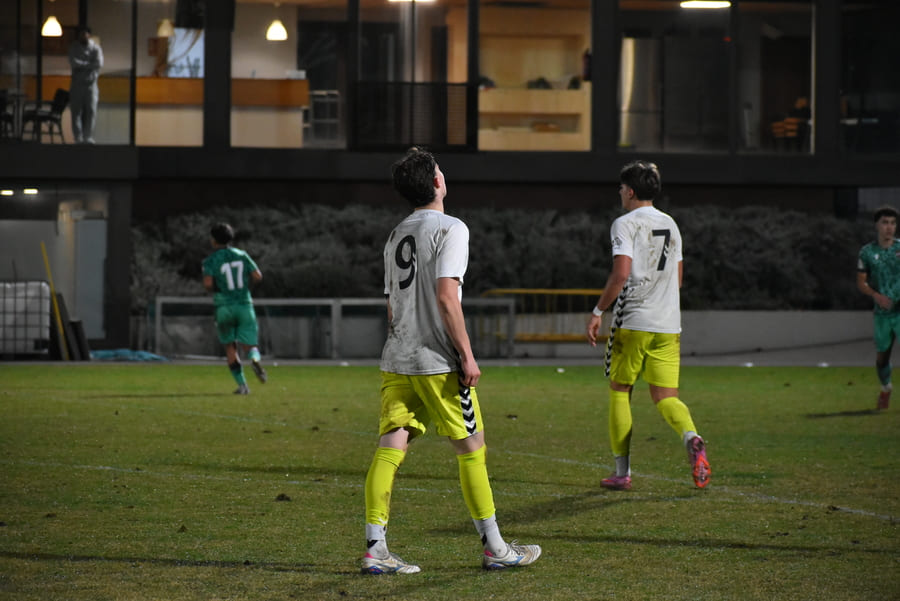
Psychological work is essential to reduce the impact of nostalgia on performance. Techniques such as visualisation, breathing control and focus training help players stay in the present.
At SIA Academy we integrate these tools into the development process. We understand that nostalgia does not disappear completely, but it can be managed effectively.
Player development
Nostalgia is part of sporting growth, but its impact depends on how it is managed. At high levels of competition, can become a barrier if the player is not prepared to deal with it.
At SIA Academy we work so that each footballer understands their development as a continuous process.
“Every player must learn to live with their emotions, without letting them condition performance”, says Frederico Pereira.
Psychological impact
Nostalgia is an inevitable emotion in modern football, especially in changing environments. However, its effect on performance depends on the player’s level of emotional control.
When nostalgia is properly managed, it can even support personal and sporting growth. But when it dominates the player’s thinking, it can limit adaptation and performance.
At SIA Academy we understand that player development is not only physical or tactical, but also emotional. We work so that each footballer transforms emotions into learning rather than a barrier to their evolution.