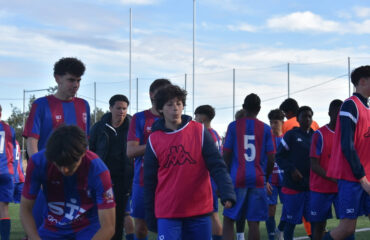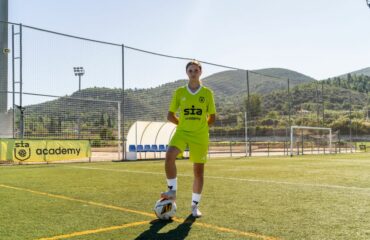




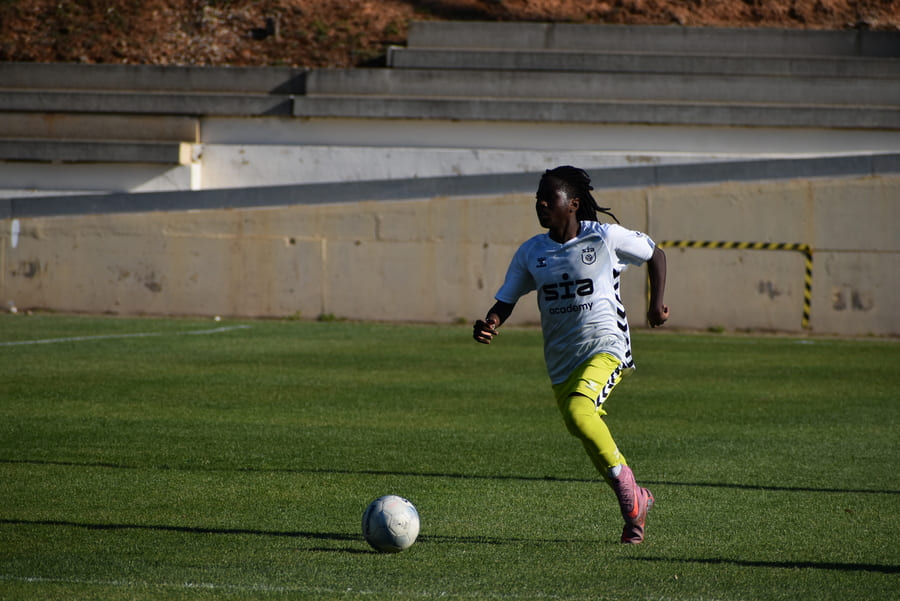

In modern football, the ability to positively influence a group has become a decisive factor in achieving collective goals. Individual talent remains important, but teams that maintain a strong identity are usually guided by footballers and coaches capable of transmitting confidence, discipline and commitment. Leadership does not appear spontaneously; it is built through habits, communication and shared experiences.
At SIA Academy, we work every day to ensure that our players understand that becoming a reference inside the dressing room involves much more than wearing an armband. Responsibility, respect and consistency are part of the personal growth of any footballer who wants to make a difference both on and off the pitch. For this reason, leadership is developed from an early age through competitive training sessions, international coexistence and continuous learning.
Table of contents
The importance of leading by example
One of the fundamental pillars for strengthening leadership in a football team is setting an example every day. Teammates constantly observe the attitude of those who have the greatest influence within the group. A punctual, disciplined and committed player creates a positive reference for the rest of the dressing room.
At SIA Academy, we encourage routines that help footballers understand the value of professionalism. The way players train, the intensity they show in every exercise and the respect they demonstrate towards teammates and coaches build habits that eventually become visible in competition. Leadership grows when actions support words.
“A footballer truly inspires when they maintain the same mentality both in training sessions and in important matches,” explains Alain, coach at the academy.
In addition, leadership should not depend solely on the captain. The strongest teams usually have several profiles capable of providing emotional balance at different moments throughout the season. Some players stand out because of their ability to motivate, while others excel because of their calmness under pressure.
Communication as the main tool
Communication is essential for strengthening trust within the group. A footballer capable of expressing themselves correctly can help resolve conflicts, maintain concentration and improve collective performance. Leadership feeds on clear, positive and coherent messages.
At SIA Academy, we promote group dynamics in which players learn to listen and communicate ideas with confidence. Effective communication allows every team member to understand their role and feel important within the sporting project. In this way, leadership naturally appears during training sessions and matches.
Another key aspect is learning how to manage emotions. Throughout a season, there are moments of euphoria as well as difficult situations. Footballers who know how to remain calm often become fundamental figures within the dressing room. Leadership also involves reacting with maturity after a defeat.
Collective trust inside the dressing room
Trust is one of the most important elements for developing leadership in any competitive group. When there is unity among players, the team can overcome difficult situations more easily. Emotional connection strengthens performance and increases collective commitment.
At SIA Academy, we promote experiences that encourage coexistence among footballers from different nationalities. Sharing training sessions, trips and sporting goals helps create strong relationships based on respect and cooperation. Thanks to this multicultural environment, leadership is enriched by different ways of understanding football and life.
The coach also plays a fundamental role in this process. Their way of communicating and managing the group directly influences the players’ confidence. A close yet demanding coaching staff makes it easier for footballers to take on responsibilities.
“The most competitive teams are those in which every player feels capable of contributing something important to the group,” highlights Alain.
The role of discipline in sporting growth
Discipline is essential for consolidating leadership within a football team. Players who maintain a consistent routine usually transmit stability and commitment to the rest of the dressing room. Physical preparation, nutrition and rest are all part of this process.
At SIA Academy, we understand that sporting development must go hand in hand with human development. We not only seek to improve the football level of our players, but also to prepare people capable of taking on challenges and coexisting in competitive environments. That is why leadership is worked on in a comprehensive way.
How to maintain leadership in the long term
Maintaining positive influence within a team requires continuity and adaptability. Dressing room dynamics constantly change and footballers must evolve together with the group. Sustainable leadership is built through humility, learning and the ability to listen.
At SIA Academy, we believe that continuous development is essential for players to grow within a professional environment. Every training session represents an opportunity to improve technical skills, strengthen a competitive mindset and develop fundamental values for modern football.
Leadership does not depend solely on natural talent. Experience, daily work and the ability to help the group make the difference between a good player and a figure capable of transforming a team. When a footballer understands the importance of collective commitment, they contribute to creating a strong and competitive identity that can shape the future of the dressing room.