


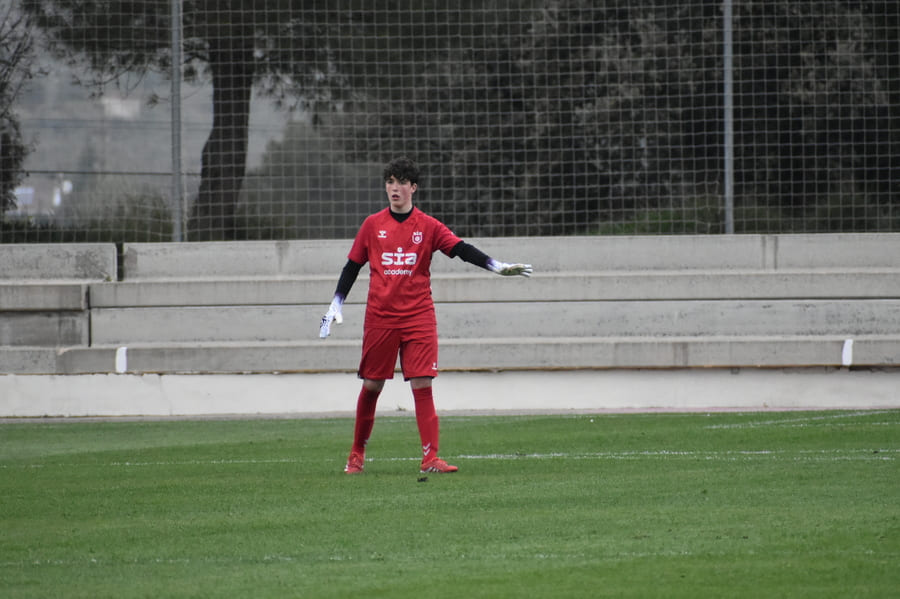

Football has evolved constantly in recent decades, and with it, every position on the field. One of the most evident transformations has been that of the goalkeeper, whose role has shifted from being purely defensive to becoming a key element in build-up play. Today, the goalkeeper not only prevents goals but also actively participates in creating opportunities and organizing the team.
This shift has forced a rethink of specific training for each goalie, adapting it to the new demands of the modern game. It is no longer enough to have quick reflexes and reliability between the posts; now tactical intelligence, decision-making ability, and skill with the ball at the feet are required. In academies such as SIA Academy, we understand that today’s goalkeeper must be a complete player, capable of influencing every phase of the game.
Table of contents
The evolution of the modern game
For many years, the goalkeeper had a limited role: stopping shots and protecting the goal. However, modern football has changed that perspective. Teams aim to build from the back, which turns the goalkeeper into the first link in the attack.
The modern goalie must be able to read the game, anticipate plays, and offer solutions to teammates under pressure. Their ability to play with their feet has become a fundamental tool to break lines and create numerical superiority.
Additionally, the goalie acts as a leader on the pitch, organizing the defense and maintaining the team’s concentration. This role requires great maturity and a deep understanding of the game—qualities we work on daily in our methodology.
The goalie as an outfield player
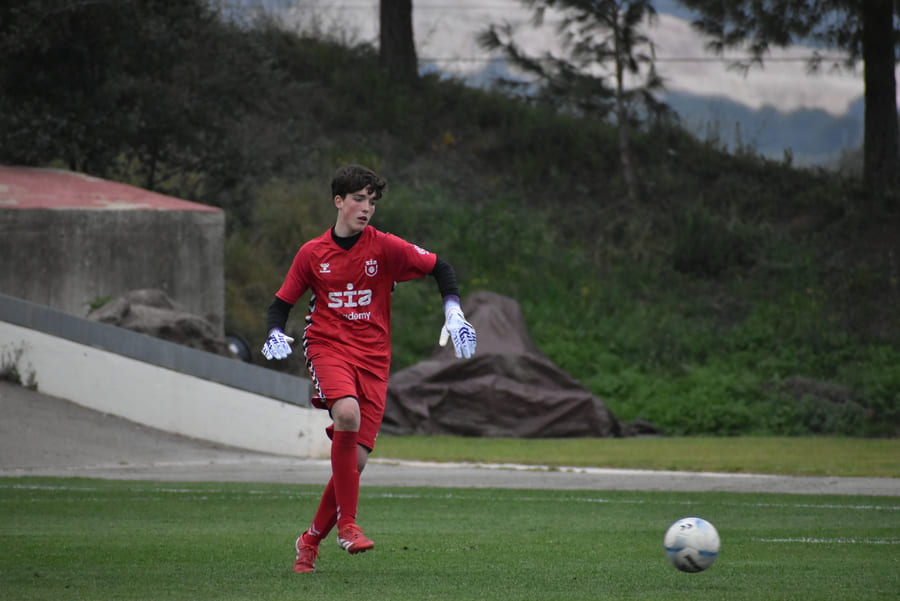
One of the major revolutions in contemporary football is the integration of the goalkeeper into the collective dynamic. They are no longer seen as an isolated player but as an active part of the tactical system. This means the goalkeeper must have skills similar to those of an outfield player.
In our training sessions, we encourage every goalie to develop confidence with the ball at their feet, improve passing accuracy, and make quick decisions. The role of the goalkeeper as a play initiator is already a reality in elite football.
As Alain points out, “the modern goalkeeper needs to think like a midfielder and act as a defensive leader”. This idea perfectly reflects the complexity of the current role.
Decision-making in the game
The goalie not only executes technical actions but also makes constant decisions that directly influence the outcome of the match. Coming out to claim a ball, starting a counterattack, or slowing down a play are actions that require judgment and confidence.
In this sense, training must go beyond the physical aspect. We work on real game situations where the goalkeeper learns to read the context and act accordingly. Mental speed and analytical ability are qualities that make the difference in performance.
The margin for error in this position is minimal, so every decision must be precise. That is why we emphasize the importance of concentration and mental preparation as fundamental pillars.
Comprehensive goalkeeper development
The development of a modern goalkeeper requires a comprehensive approach that covers all aspects of the game. From technique to tactics, including physical and psychological preparation, everything influences performance.
We are committed to a global approach where every goalkeeper receives training tailored to their needs. The goal is to develop complete profiles capable of meeting the demands of modern football.
In this process, specific training is key. Each session is designed to improve particular aspects, always within a real-game context. This allows the goalie to understand how to apply what they have learned in competitive situations.
In Alain’s words, “the evolution of the goalkeeper requires smarter training, not just more intense sessions”. This vision summarizes the philosophy we apply in our daily work.
Impact on the collective game
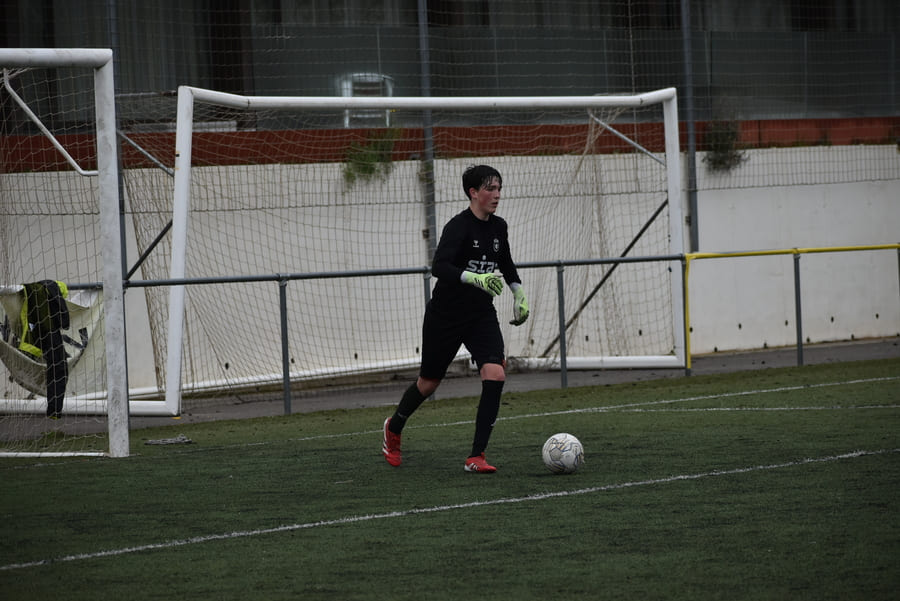
The new role of the goalkeeper has a direct impact on team performance. A goalkeeper who is confident with the ball allows the team to maintain possession and control the tempo of the match. In addition, their ability to anticipate reduces dangerous situations.
The goalie also influences the team’s confidence. When they transmit security, the rest of the players feel more comfortable and play with greater freedom. This connection between the goalkeeper and the team is essential to reach a high competitive level.
In modern football, every detail matters, and the role of the goalie is more decisive than ever. Its evolution has changed the way the game is understood and has opened up new tactical possibilities.
A profile that defines the future
The goalkeeper of the present and the future must adapt to an increasingly demanding environment. The speed of the game, high pressing, and the importance of possession make their role more complex than ever.
In our academy, we work to prepare every goalkeeper for these challenges. We understand that success does not depend solely on talent, but on the ability to adapt and learn.
The modern goalkeeper is no longer just a defensive specialist, but a key player who can make the difference in every match. Their evolution reflects the transformation of football as a whole, where versatility and intelligence matter more than ever.