




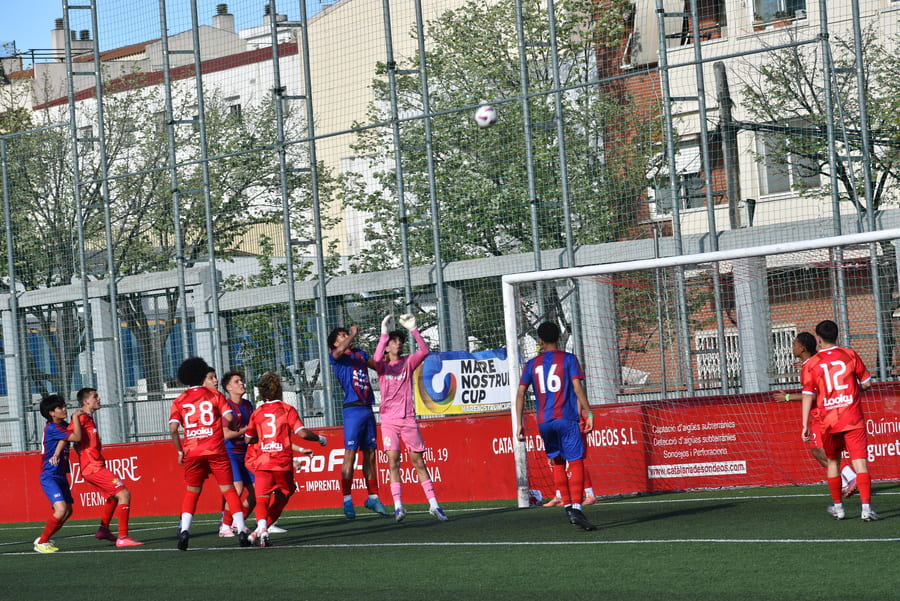

In modern football, where speed and precision make the difference, crosses have regained a leading role. Far from being a basic or predictable resource, the cross has become a complex tactical tool that requires coordination, game awareness, and flawless technical execution. Both in attack and defense, mastering these actions can decide matches.
Table of contents
The evolution of the cross in the modern game
For years, the cross was mainly associated with long balls into the box without much preparation. However, nowadays teams work on different types of deliveries: low, driven, to the far post, or even cut-backs. This diversity forces players to understand the context of the match and choose the best option at every moment.
In our methodology at SIA Academy, we analyze how the best teams in the world create advantages before executing these actions. It is not just about sending the ball into the box, but about creating defensive imbalances through prior movements and intelligent occupation of space.
As José Luis, coach at the academy, points out: “The cross is not the end of a play, it is the consequence of a good collective decision”. This vision reinforces the idea that success depends both on the passer and on the teammates attacking the box.
Key aspects to execute effective crosses
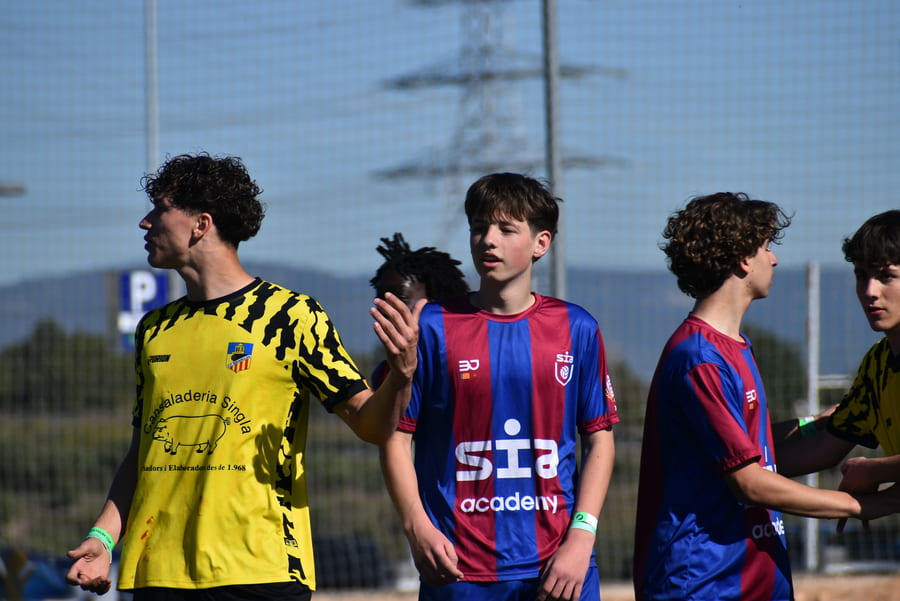
For crosses to be truly dangerous, it is essential to master several technical and tactical aspects. Accuracy in the delivery is only part of the process; decision-making is equally or even more important.
First, the timing of the delivery is crucial. An early cross can surprise the defense, while a more elaborate one allows better offensive organization. In addition, the player’s body positioning directly influences the direction and power of the ball.
Another fundamental aspect is communication with the finishers. At SIA Academy, we constantly work on synchronization between the player delivering the cross and those attacking the box. Coordinated movements allow a cross to become a clear scoring opportunity.
The role of attackers
Crosses would not be effective without proper interpretation from forwards and midfielders arriving into the box. Timing of the run is one of the most decisive factors in making the most of a cross.
Attackers must identify free spaces and anticipate defenders. Movements such as runs to the near post, arriving at the far post, or occupying the penalty spot are essential to create danger.
In our experience at SIA Academy, we emphasize that players should not wait passively. Success lies in attacking the ball with determination and conviction, creating uncertainty in the opposing defense.
José Luis sums it up clearly: “A good cross without a good finish is nothing; everything must work like a machine”.
How to defend effectively
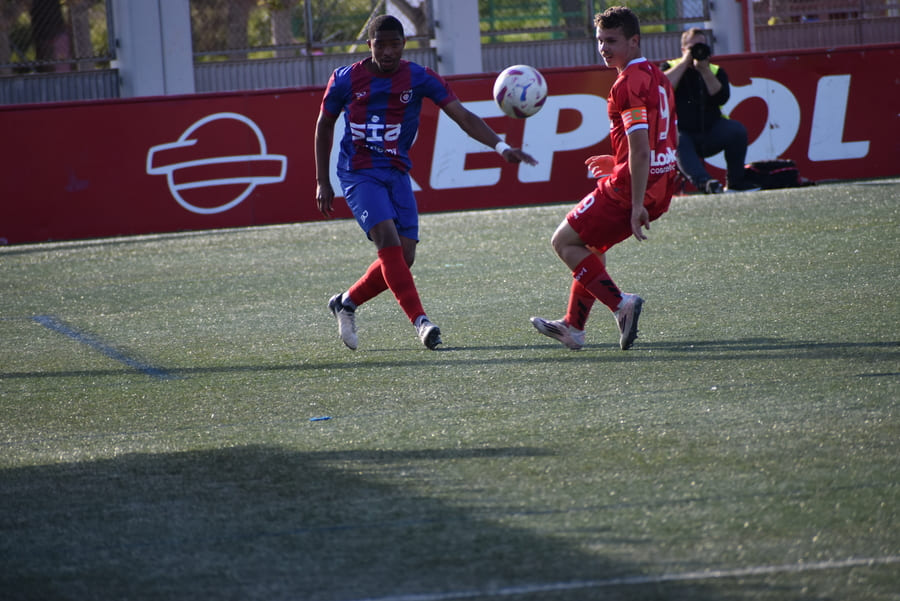
Defending crosses is just as important as executing them. In modern football, where teams constantly seek wide superiority, defenses must be perfectly organized.
Positioning is the first step to neutralize. Defenders must maintain a compact line and stay alert to attackers’ movements. In addition, the goalkeeper plays a key role, as their ability to anticipate can prevent dangerous situations.
Another key aspect is communication. Players must coordinate to cover different areas of the box and prevent opponents from finding free spaces. At SIA Academy, we work on these concepts through specific exercises that simulate real match situations.
Anticipation also makes the difference. Intercepting a delivery before it reaches its target is one of the most effective ways to defend. A defender who reads the trajectory of the ball well can stop the play before it becomes a scoring chance.
The importance of specific training
Mastering crosses is not achieved spontaneously. It requires hours of training and a deep understanding of the game. At SIA Academy, we develop specific sessions to improve both the execution and the defense of crosses.
Analytical training combined with real game situations allows players to internalize concepts more effectively. We work on technical aspects such as delivery, but also on decision-making and tactical awareness.
In addition, we use analysis tools to evaluate players’ performance in these types of actions. This allows us to identify areas for improvement and design personalized plans.
Crosses remain a fundamental tool in modern football, but their effectiveness depends on multiple factors that go beyond simply sending the ball into the box. The combination of technique, tactics, and collective coordination is what turns a cross into a decisive action.
At SIA Academy, we understand that modern football demands complete players, capable of executing and defending with intelligence and precision. That is why we integrate these concepts into our training model, preparing players to compete at the highest level.
Mastering these actions, both in attack and defense, is not just another skill: it is a competitive advantage that can make the difference in any match.