




Competitive football does not begin when the referee blows the opening whistle, but many days earlier. The real difference between a prepared team and an improvised one lies in the ability to transfer training work into the real competitive context. This process of transfer is one of the greatest challenges in modern player development and one of the keys to sustainable performance.
Table of contents
Coherence as the foundation of performance
Training must respond to a clear and recognizable logic. When there is coherence between what is worked on during the week and what is demanded in the match, the player acts with greater confidence. It is not about accumulating tasks, but about building behaviors that make sense within the game model.
In youth football, many mistakes appear when training becomes disconnected from competitive reality. Exercises far removed from real contexts create players who perform well in sessions but hesitate in matches. Methodological coherence reduces this gap and accelerates learning.
Real context as a learning tool
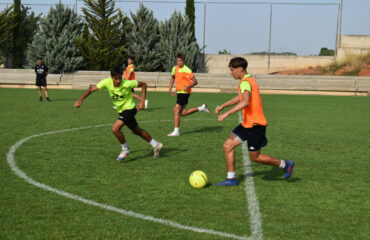
Training is the ideal space to reproduce real game situations. Reduced spaces, time pressure, decision-making, and tactical reading must be present on a regular basis. The more the session resembles the match, the greater the subsequent transfer.
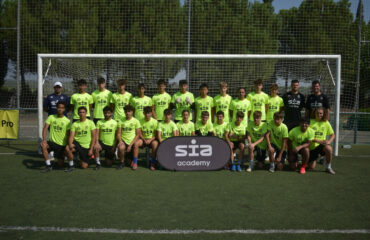
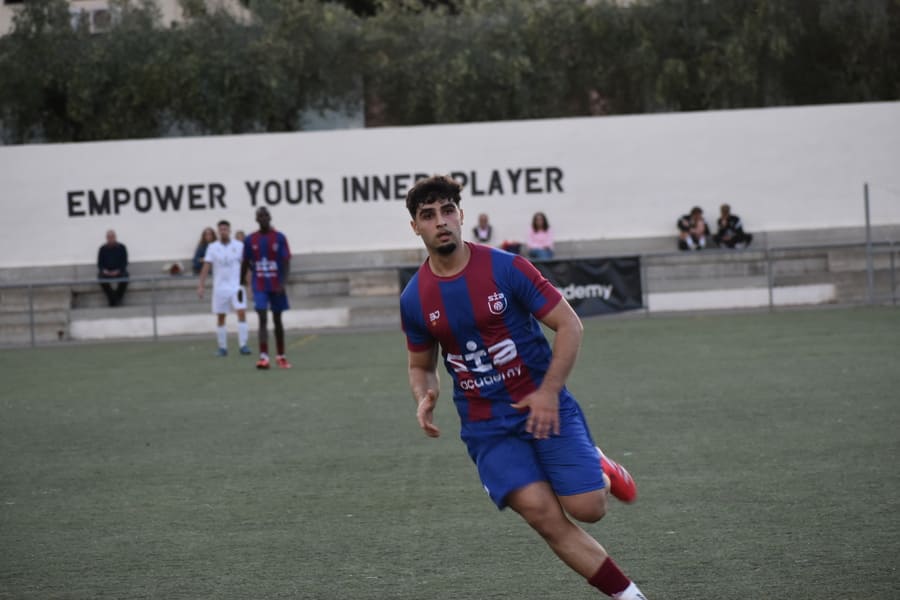
At SIA Academy, we work with this premise as a central axis. We design each task thinking about its direct impact on competition, ensuring that the player identifies patterns they will later recognize on the pitch. Training stops being a routine and becomes a process of interpreting the game.
Conscious repetition and useful automatisms
Repeating does not mean mechanizing without thinking. Conscious repetition allows correct decisions to be consolidated, not just technical gestures. When a situation is experienced several times during the week, the player assimilates it and responds naturally in the match.
Weekly training prepares the footballer to make better decisions under pressure. Mental speed is trained just as much as physical speed, and it only appears when the player recognizes previously worked scenarios. This familiarity reduces competitive stress and improves collective performance.
The coach’s perspective in the process
José Luis, academy coach, explains it clearly:
“If the player does not understand what each task is for, training loses its value. Everything we do must be reflected in the match.”
The coach’s role is to guide, contextualize, and give meaning to the process. It is not about imposing solutions, but about helping the player interpret the game. Training thus becomes an active learning space, where the footballer participates and reflects.
Communication and understanding of the game
At SIA Academy, we believe that training should foster understanding before obedience. The player who understands the game makes better decisions and needs fewer external corrections. That is why communication is constant: we explain, ask, and analyze.
José Luis reinforces this idea with another reflection:
“When the match arrives, we do not ask for anything new. We simply let the player do what has already been worked on during the week.”
This continuity builds confidence, a determining factor in youth development and also at high performance level.
Emotional management during the week
Training not only prepares tactically or physically, but also emotionally. Simulating pressure, error, and fatigue is key for the player to learn how to compete. Facing complex situations during the week allows for better emotional management in the match.
In our model, training includes constant challenges that force the player to adapt. Competition does not surprise when it has already been experienced in a controlled environment.
From training to autonomy in the match
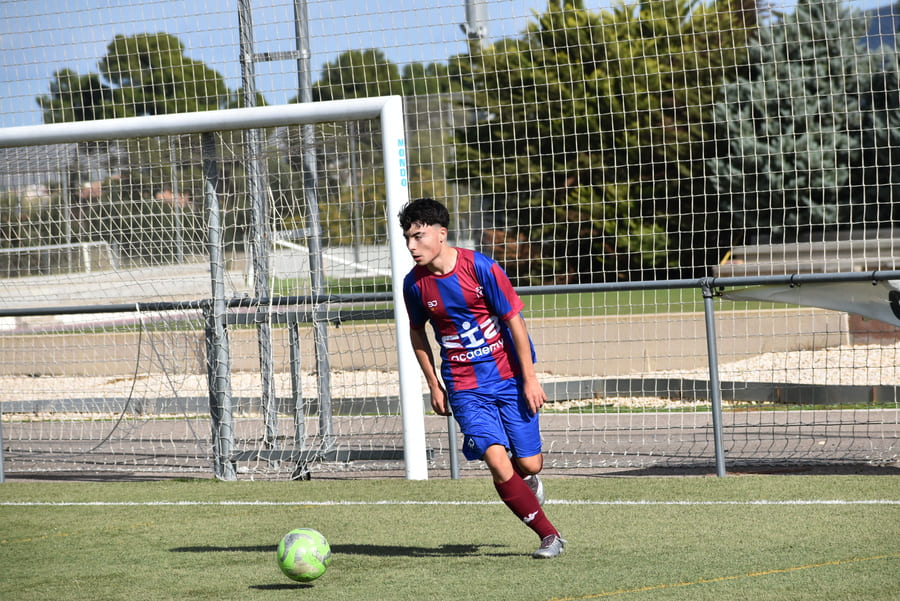
The final objective of any development process is autonomy. When the player makes good decisions without looking at the bench, the work has paid off. Training has fulfilled its function: preparing the footballer to interpret the game independently.
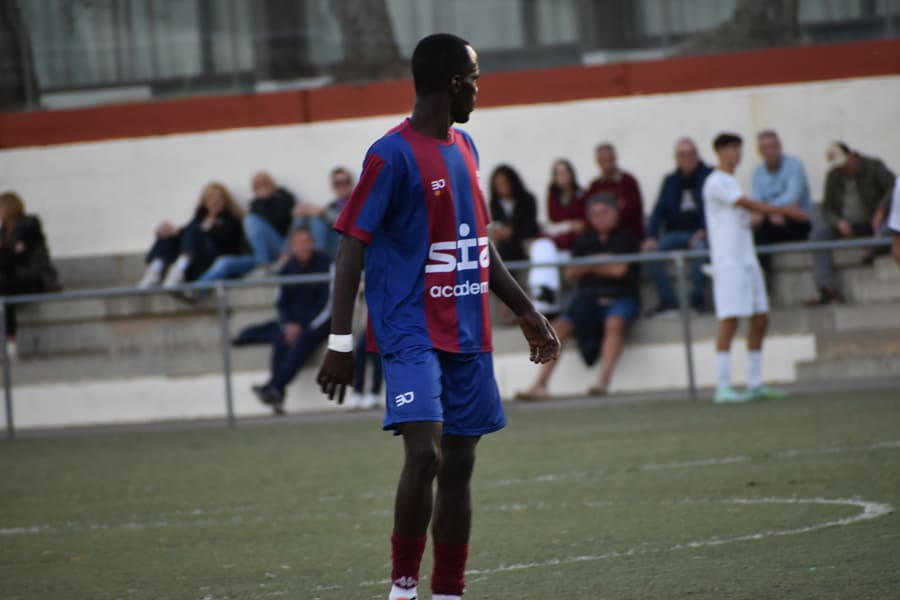
At SIA Academy, we understand training as the foundation upon which the match is built. It is not an isolated means, but the origin of every competitive decision. When transfer is real, the match stops being a test and becomes a natural expression of weekly work.