




Creativity in football is one of the most valuable resources, but also one of the most fragile. While everyone talks about it, few understand that it’s not just about performing tricks or surprising passes. At SIA Academy, we explain to our players that creativity is, above all, a way of interpreting the game with freedom, vision, and personality. This is only possible if the environment offers the right stimuli, space to decide, and enough confidence to explore new solutions without fear of making mistakes. When training is rigid, that spark disappears; when it’s flexible and challenging, creativity flourishes.
Table of contents
Encouraging contexts that allow decision-making, not just execution
One of the pillars of our work is creating exercises where the player must think before acting. If all actions are predefined, creativity disappears. We design drills with multiple possible paths, where reading the context is key and there isn’t a single correct answer. This forces the footballer to use imagination, adapt, and try new combinations. In this way, we reinforce spontaneity without sacrificing order. The goal is for the player to understand that football is not a memorized script, but a constantly changing stage.
Allowing mistakes to be a natural part of learning
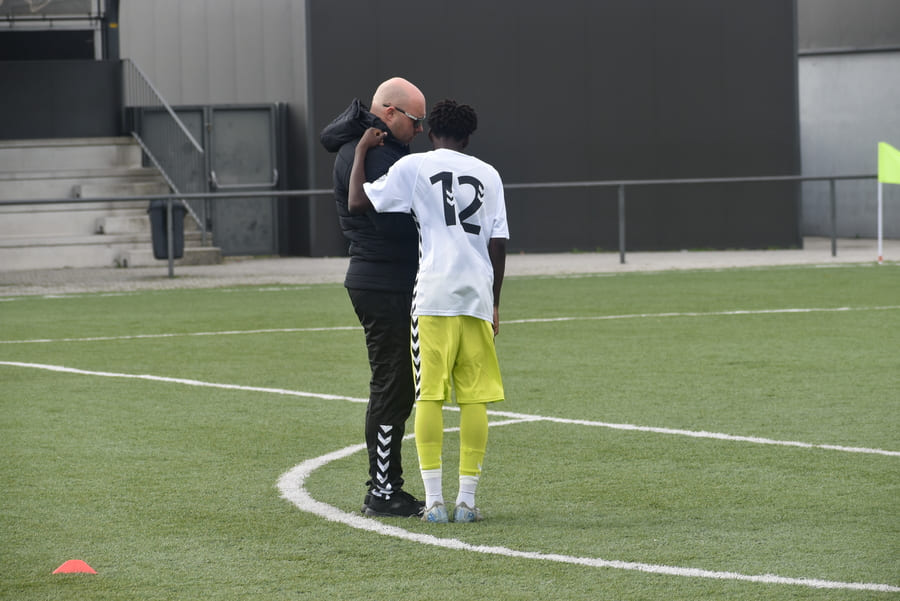
For many young players, the greatest enemy of creativity is the fear of making mistakes. If they feel that every failure will be punished, they will choose the simplest option and stop daring to innovate. At SIA Academy, we treat mistakes as a learning tool, not as a failure. We analyze the intention behind every creative action and value initiative over immediate results. We know no player becomes creative by always choosing the safe option. Spontaneity needs freedom, and that freedom only appears when mistakes are seen as opportunities.
Respecting individual identity above systems
Modern football tends to standardize players, which is a risk for creativity. Many coaches force players to fit into a single model, ignoring that each footballer has unique traits that make them special. We defend the opposite. In our methodology, personal identity is a treasure: the pause of one, the vision of another, the daring dribble of a third. Creativity arises when the player feels they don’t have to give up what makes them different. When that essence is respected, spontaneity remains alive and the player develops a recognizable style.
Introducing variety to stimulate new connections
The brain becomes creative when it faces new situations. Repetitive training kills surprise, and without surprise, creativity struggles to emerge. That’s why we introduce variety in almost every exercise: changing spaces, modifying rules, introducing unexpected roles, and creating dynamics that force players to seek different solutions. This variety stimulates new connections and expands each footballer’s tactical and technical repertoire. More experiences mean more possibilities; more possibilities mean more creativity.
Training through reflection, not just improvisation
Although spontaneity is key, creativity also develops when the player understands why they make certain decisions. After some exercises, we ask our players to explain what they observed, why they chose a particular option, and what alternatives they noticed. This conscious pause helps them understand their own processes and turns intuition into knowledge. Thus, creativity stops being an isolated spark and becomes a solid tool they can use repeatedly and with more control.
Creating a safe emotional environment to express oneself
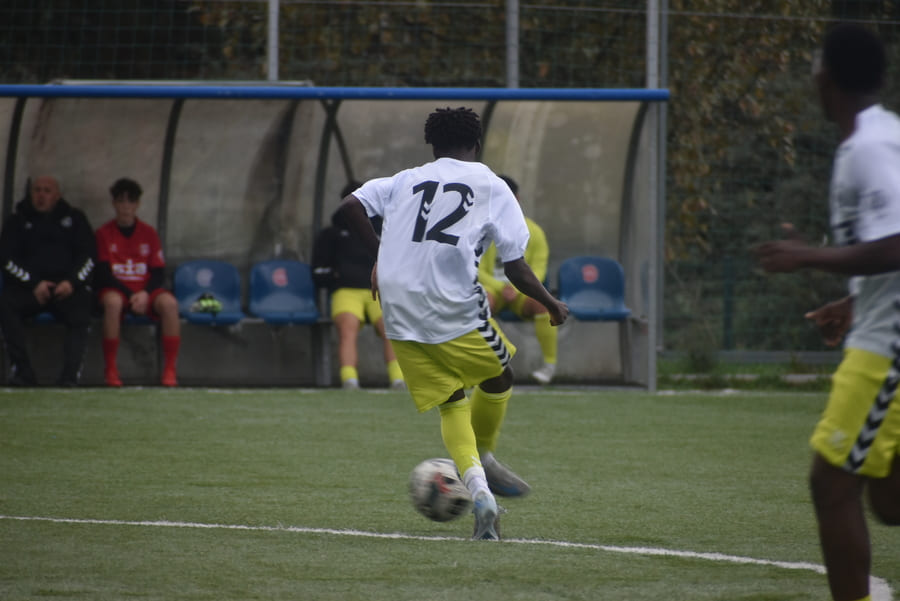
Creativity cannot thrive in a tense or overly critical environment. When a player feels judged, they close off; when they feel free, they dare to create. At SIA Academy, we pay close attention to the emotional climate: we encourage open communication, celebrate boldness, and support the player even when an attempt doesn’t work. This sense of psychological safety is essential for creativity to emerge naturally. A confident footballer explores, experiments, invents, and perfects.
Integrating it into the collective structure
Being creative does not mean ignoring the team’s structure. Our work consists of teaching players to insert their creativity within the collective plan. Structure provides order; creativity brings unexpected solutions. When both coexist, the team becomes more dangerous and unpredictable. We guide players to understand when to take risks, when to play it safe, and how to use their creative talent without breaking the group’s cohesion. Creativity integrated in this way is always more effective than isolated creativity.
Making creativity a personal trademark of the player
The ultimate goal is for each footballer to develop a creativity that will accompany them throughout their career. We don’t want players who just reproduce what they are taught; we want players capable of proposing, creating, and transforming the game. At SIA Academy, we work so that this ability is not occasional, but a personal trademark they can demonstrate in any competitive context. When a player understands that their creativity is a value rather than a risk, spontaneity becomes their main tool of expression.